
Collection
Japanese Leather Goods — bags, wallets and the tanneries behind them
A Japanese bag is usually an argument about material: which hide, tanned how, and what it will look like in ten years.
Every japanese leather goods brand in the index
Each one checked, by hand, for how it buys from abroad.

FILL THE BILL
Archive-led Japanese everyday clothing
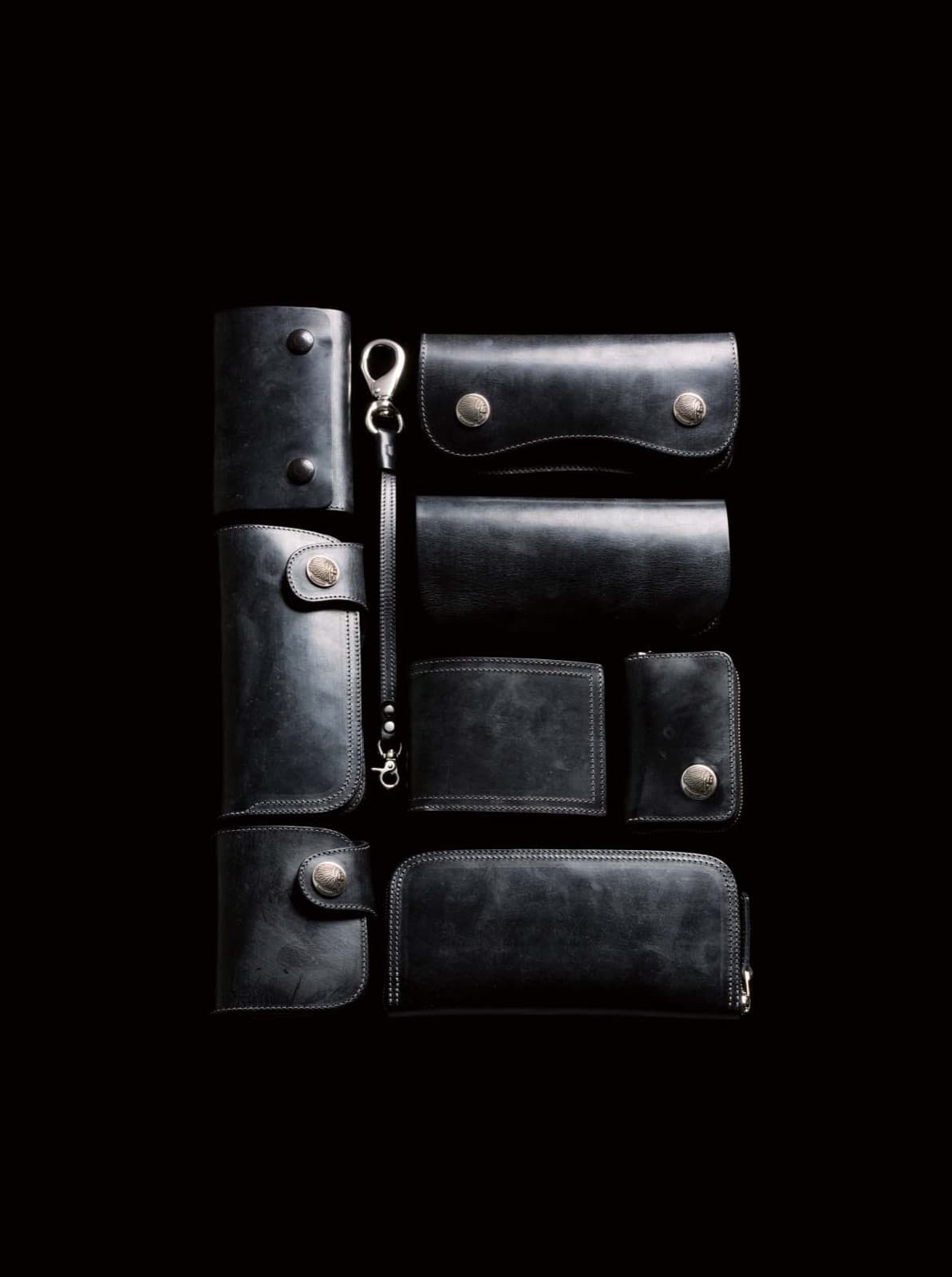
REDMOON
Japanese handmade leather goods since 1993
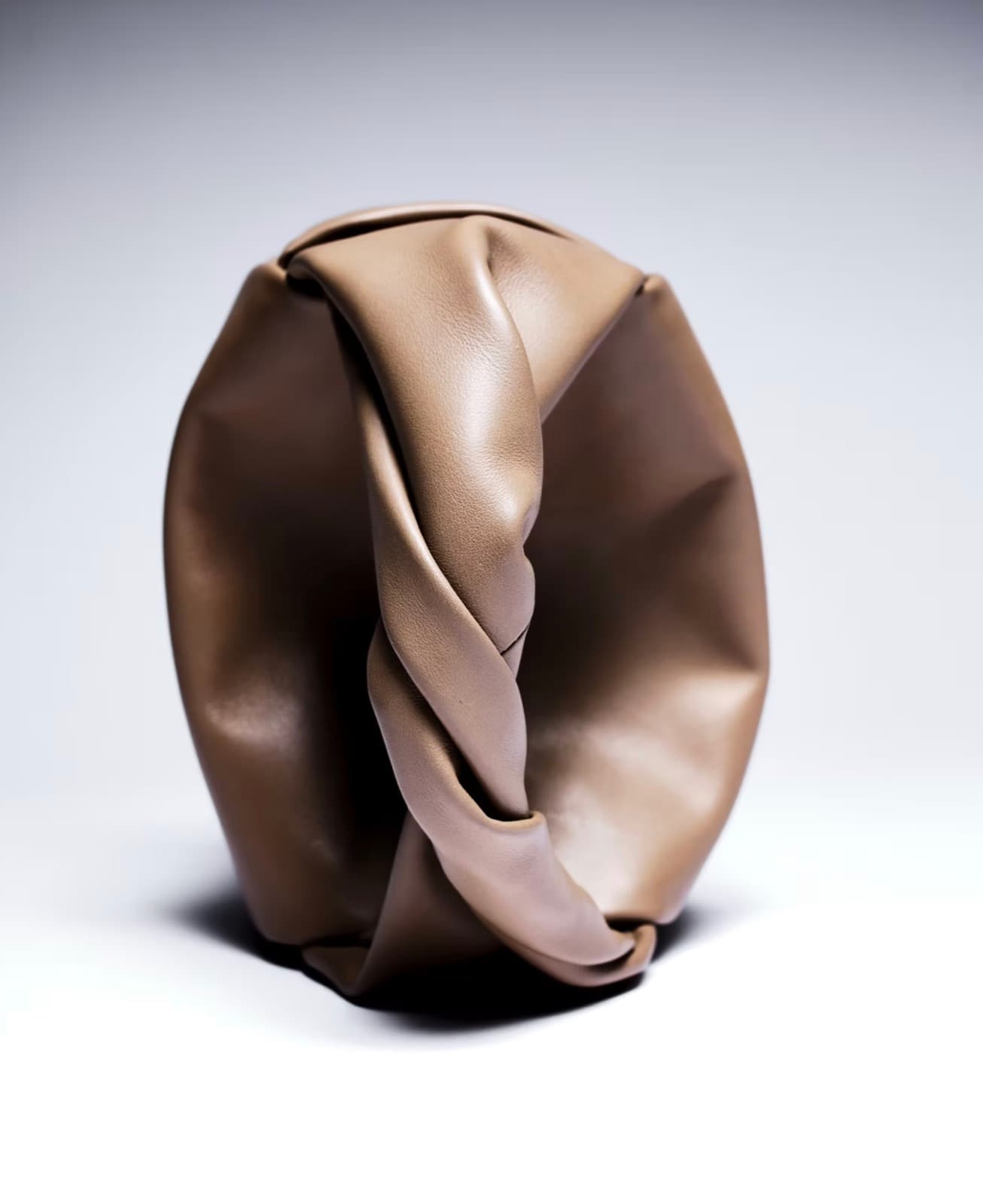
THE PURSE
Osaka-made bags shaped by material

_Fot
Objects shaped by the Three primary forms

Aeta
Material-led Japanese leather bag design
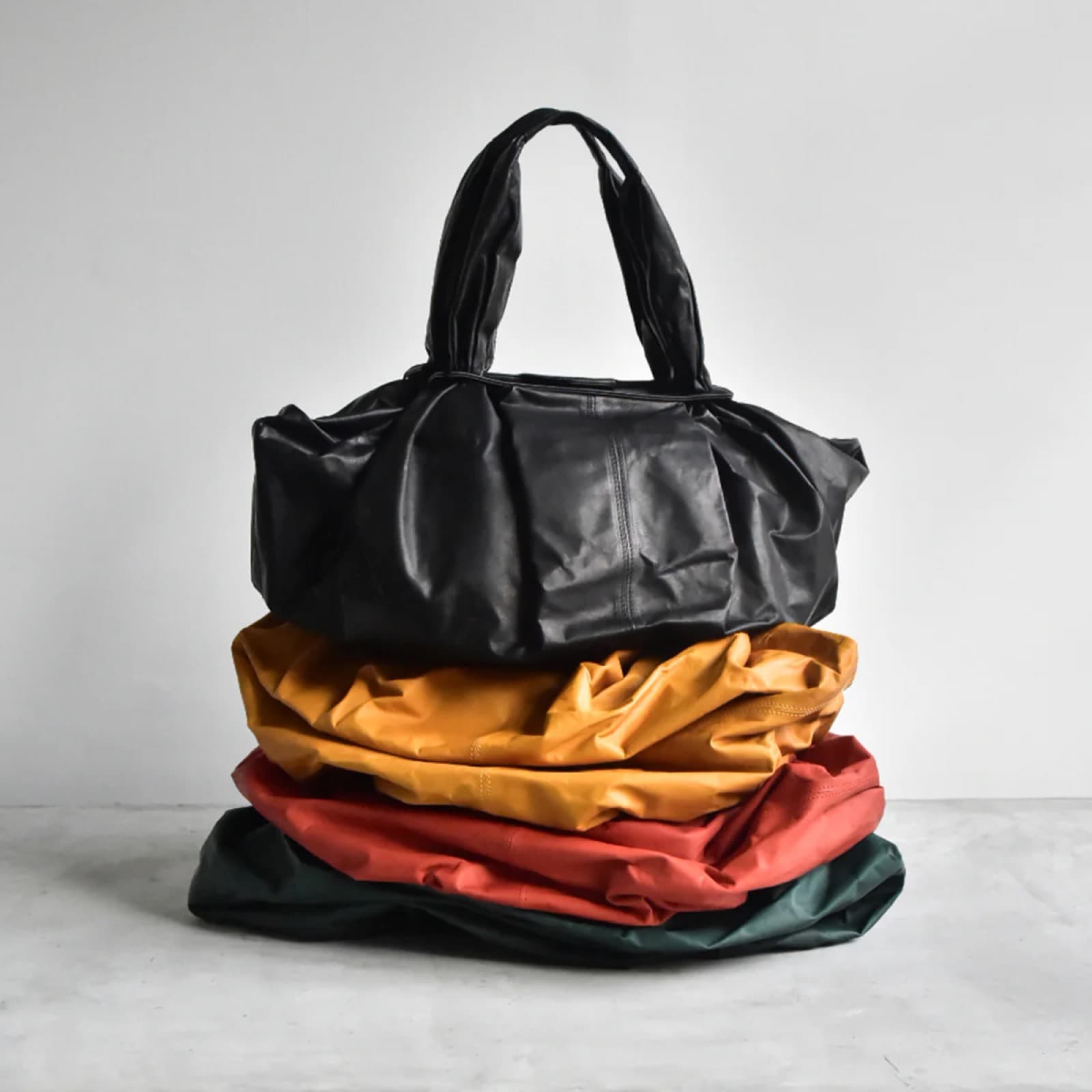
ancre
Material-led leather bags in restraint
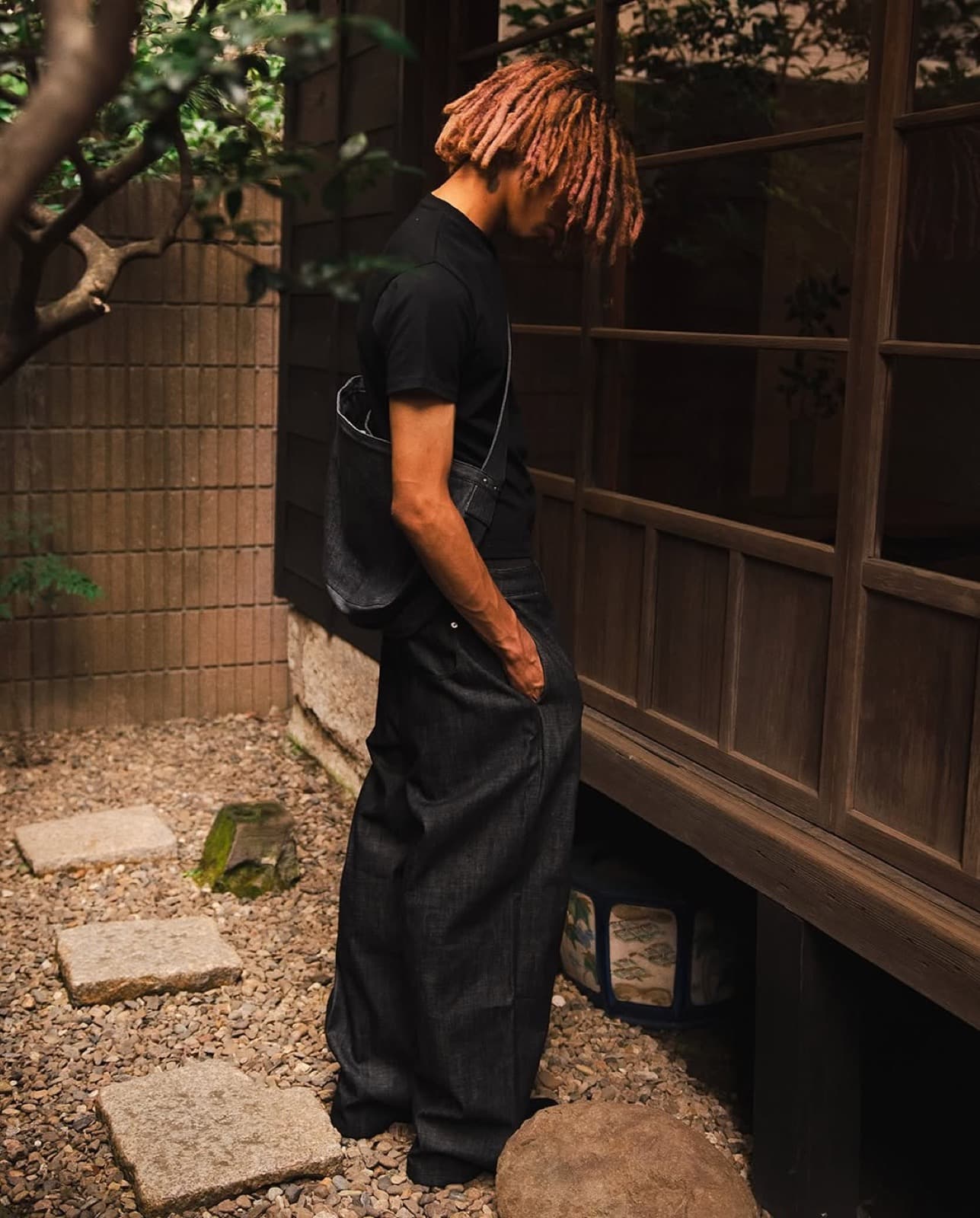
Menes
Okayama denim for contemporary streetwear
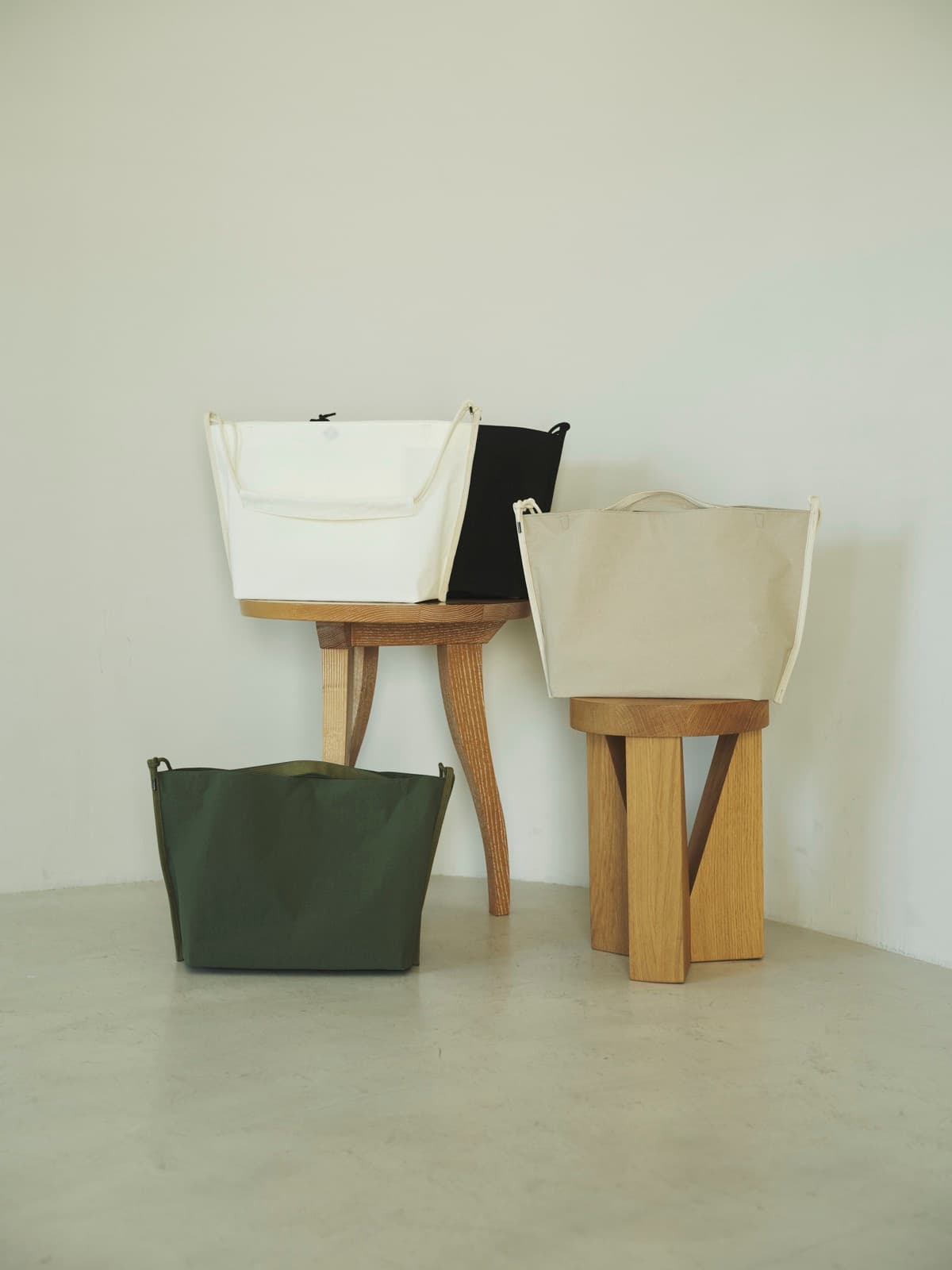
Sonor
Light bags in Japanese leather

TERAS
Sashiko and boro for living

THE
Japanese standards for everyday objects
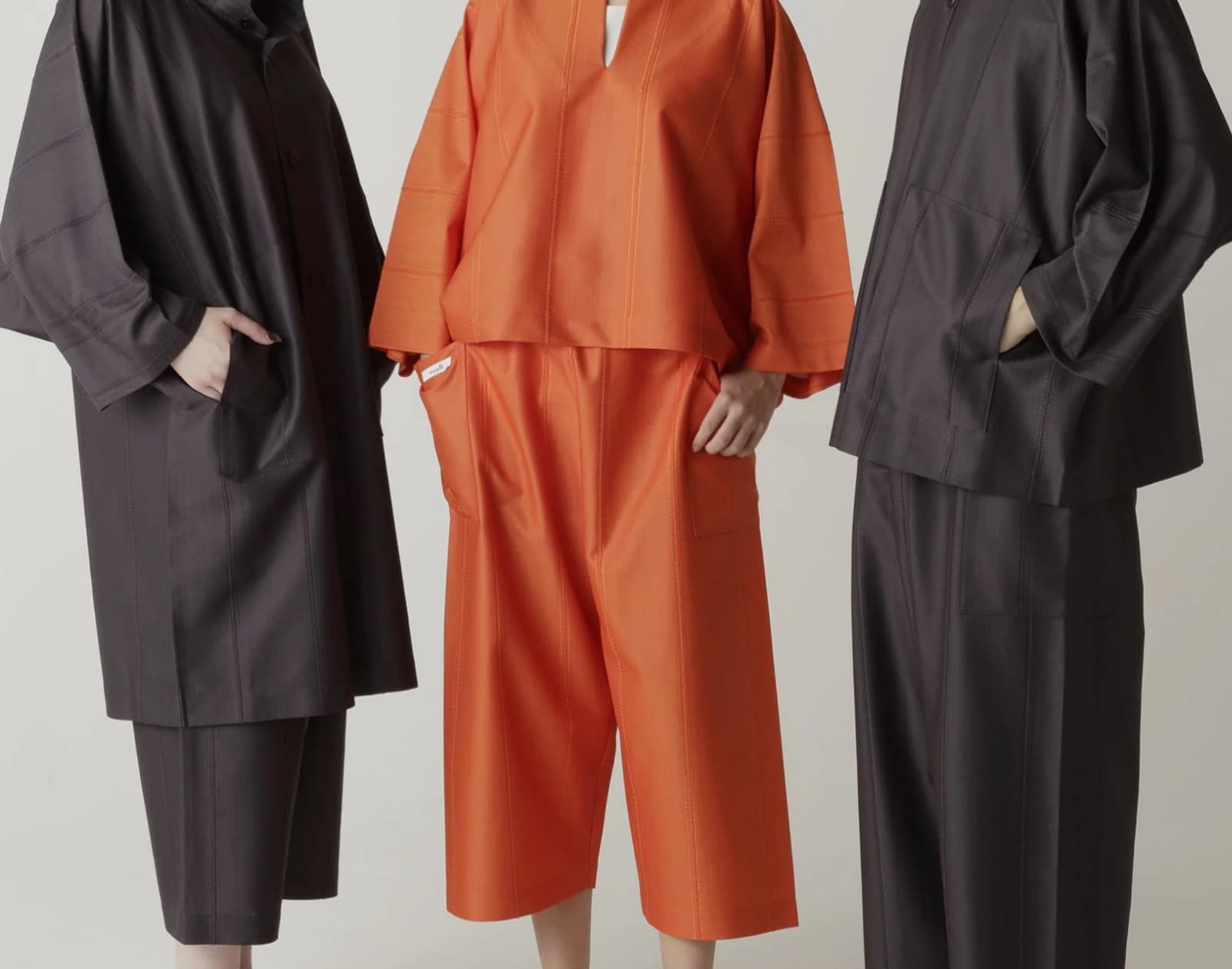
Tuuli
Manufacturer-led everyday wear and objects
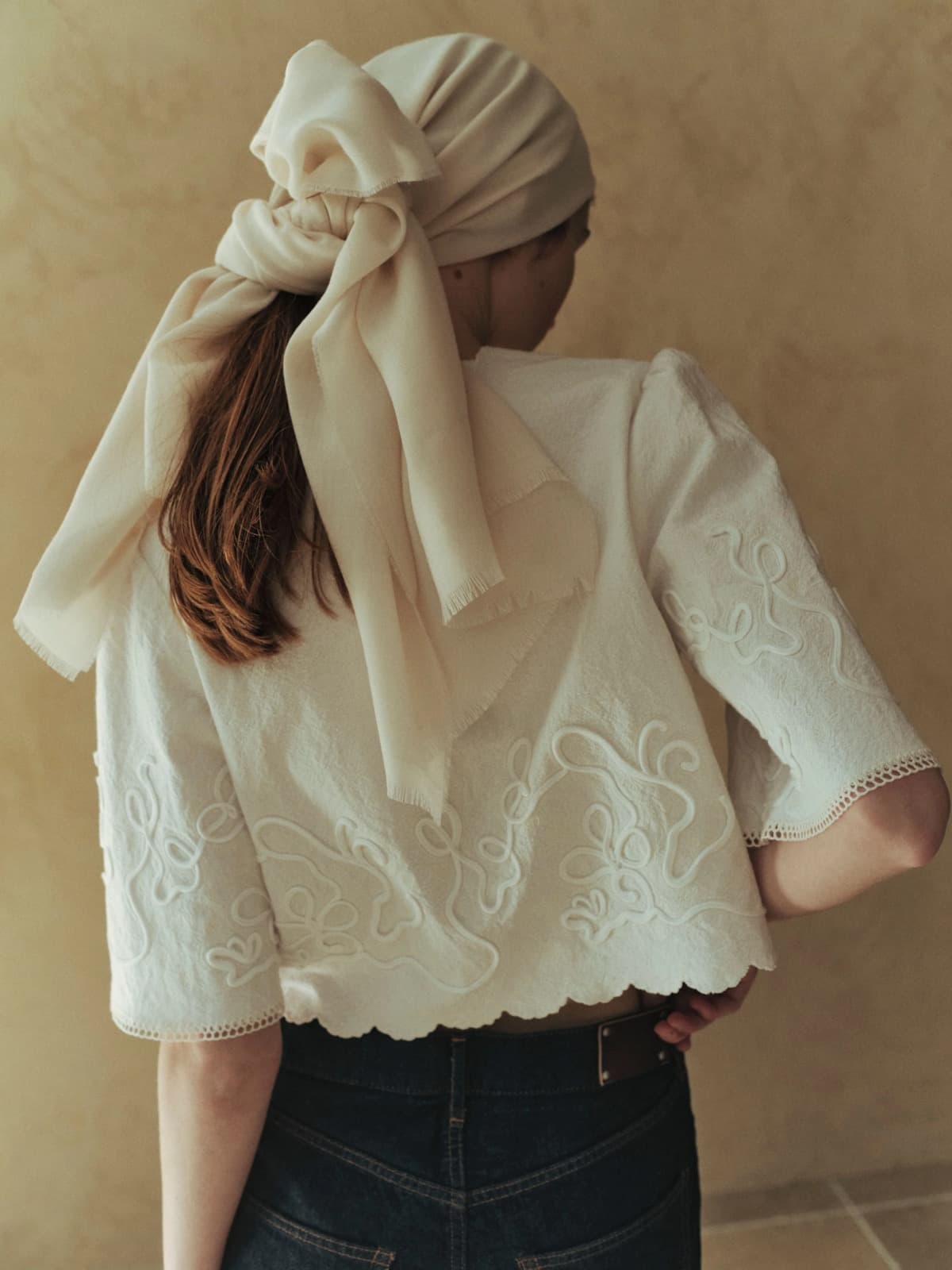
Marno
Tokyo womenswear shaped by softness
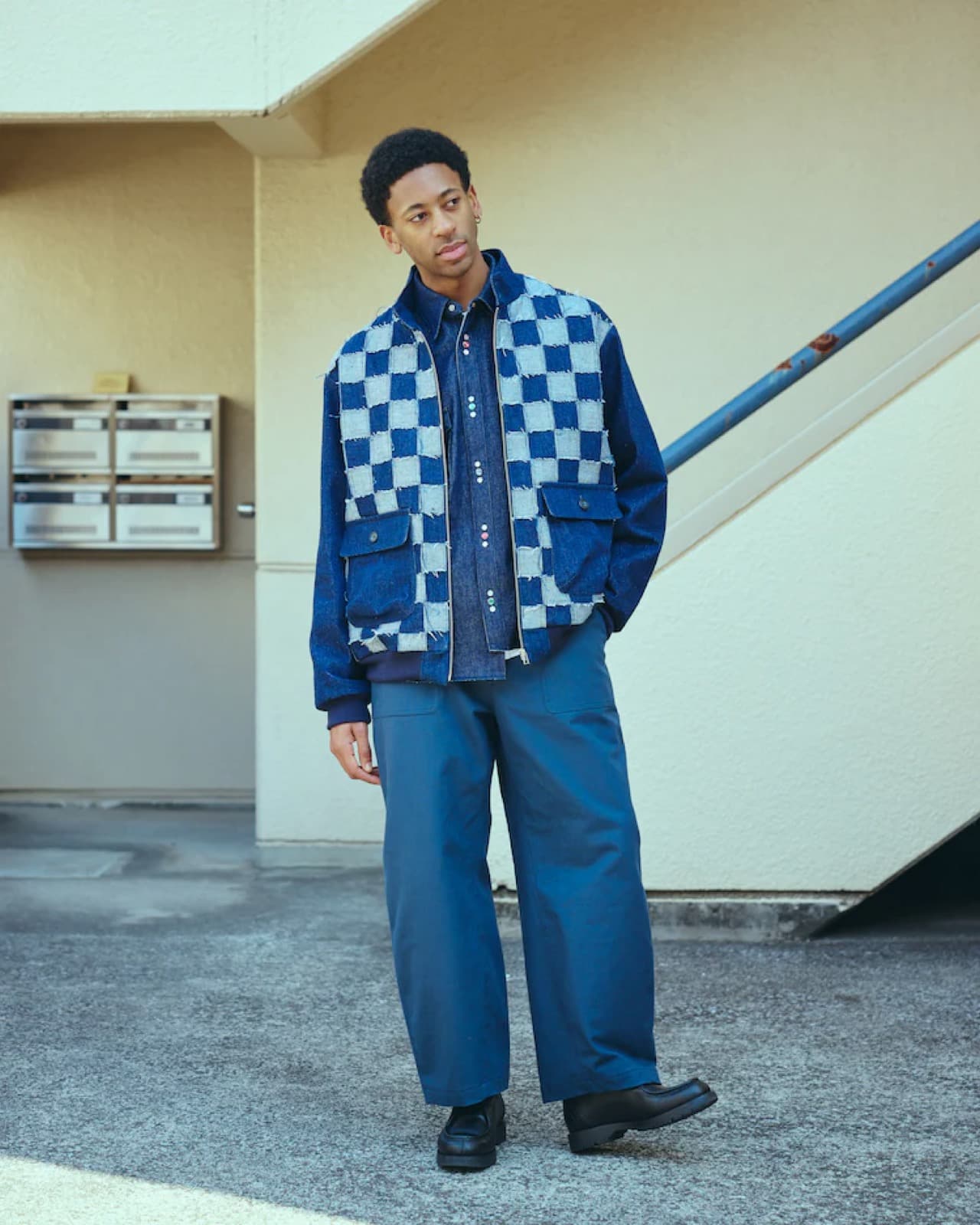
Shotahiyama
Contemporary clothing shaped through textiles
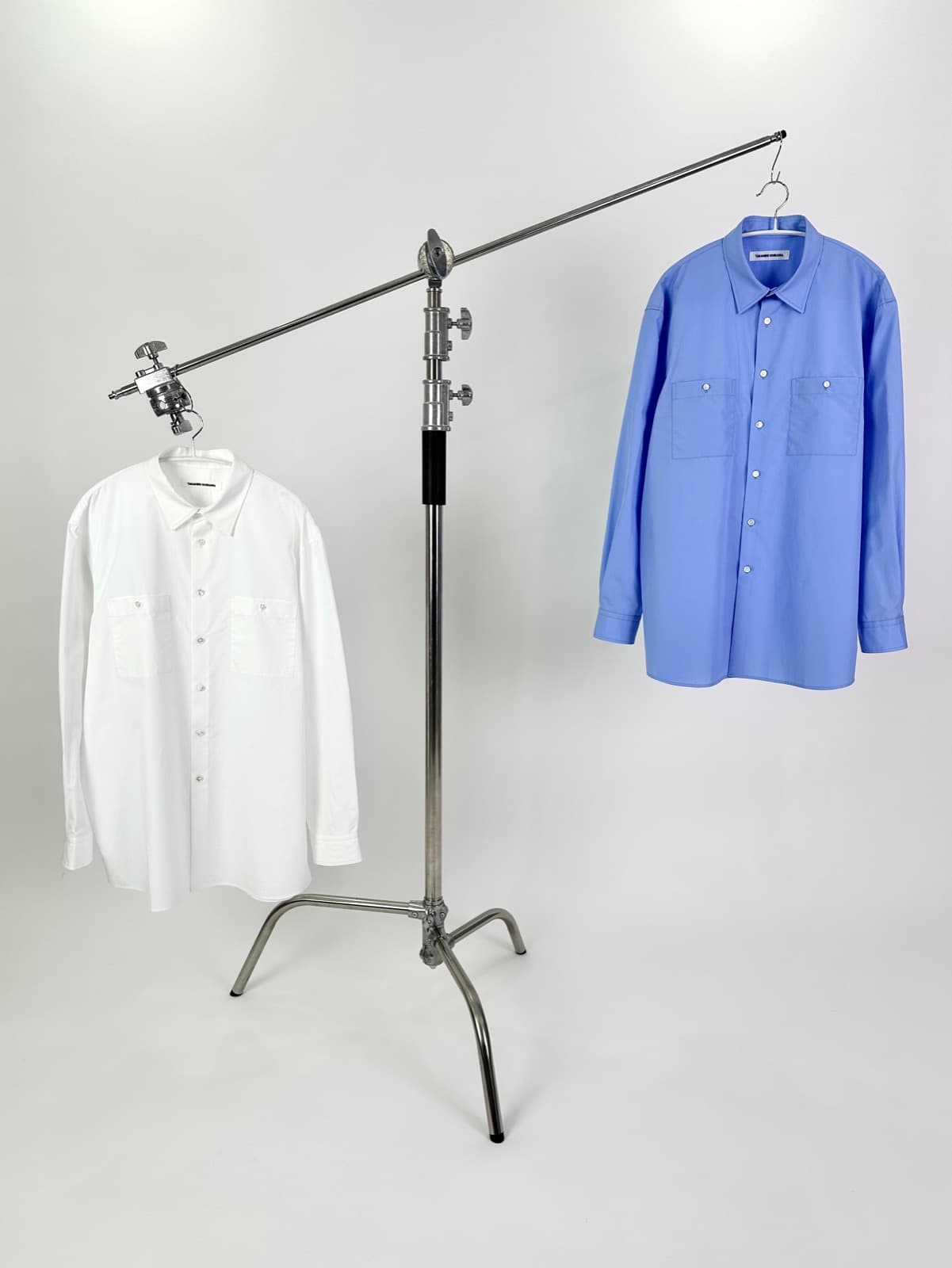
TAKAHIRO ISHIKAWA
Anatomy-led clothing by one designer
Why Japanese leather is held in such regard
Japan's leather industry is small, domestic and unusually specific. Tochigi leather — vegetable-tanned over months in pits rather than in a day with chrome — is the reference most brands measure themselves against, and a maker will name their tannery the way a winemaker names a plot.
That specificity carries into construction. Edge finishing, thread tension, the decision to skive a fold rather than bulk it: these are the details that separate a bag that ages from a bag that wears out, and they are where Japanese makers spend their time.
How the material behaves
Vegetable-tanned leather starts pale and stiff and darkens with use, taking oil from hands and light from wherever it is kept. Owners of these bags talk about them the way denim owners talk about fades — the object is not finished when you buy it.
Chrome-tanned and combination-tanned pieces behave differently: softer from the start, more stable in colour, less demanding. Neither is better; they are different contracts with time, and most of the brands here are explicit about which one they are offering.
Buying it from abroad
Leather is heavy, which makes shipping the first real cost, and several of these workshops are small enough that a run sells out before it is announced in English. Each brand below carries its own international access verdict, checked by hand, so a bag you can't buy doesn't take up your afternoon.