
Collection
Japanese Skincare — the independent brands worth knowing
Beyond the drugstore shelf that made J-beauty famous, a generation of small Japanese houses is working with domestic botanicals and very short ingredient lists.
Every japanese skincare brand in the index
Each one checked, by hand, for how it buys from abroad.
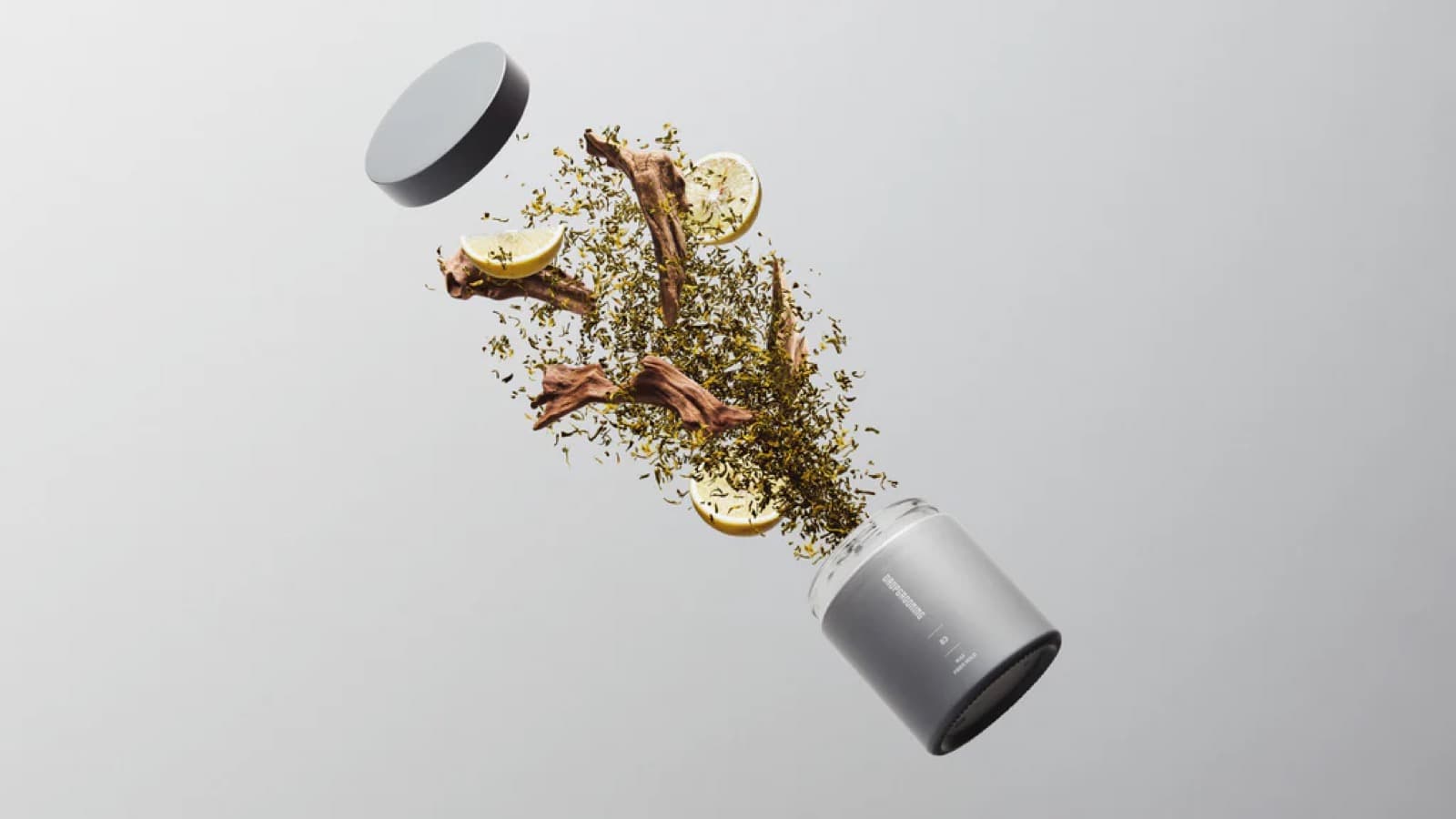
DROP GROOMING
Fragrance-led Japanese grooming and perfume
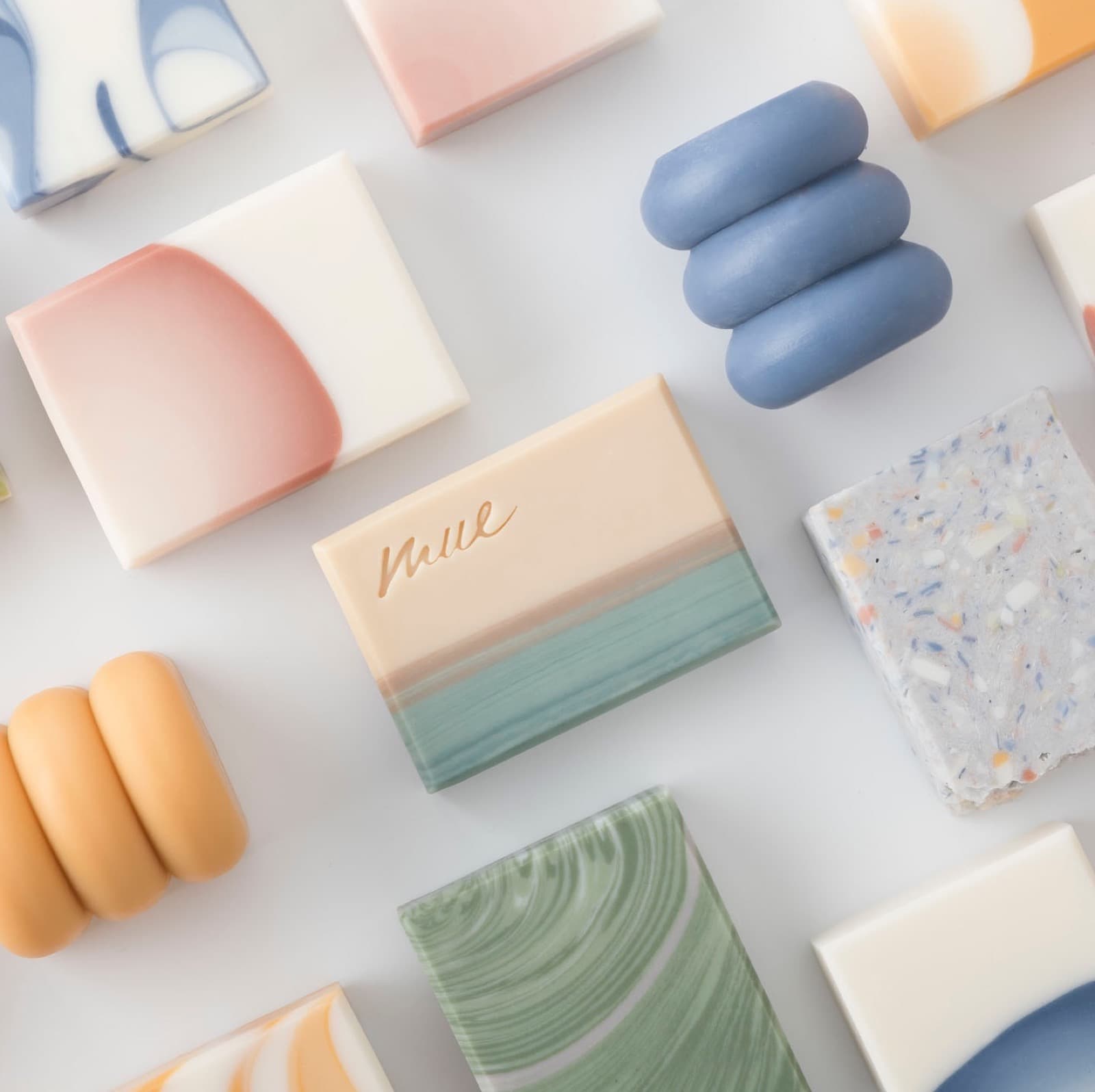
Mue
Handcrafted soap shaped by process
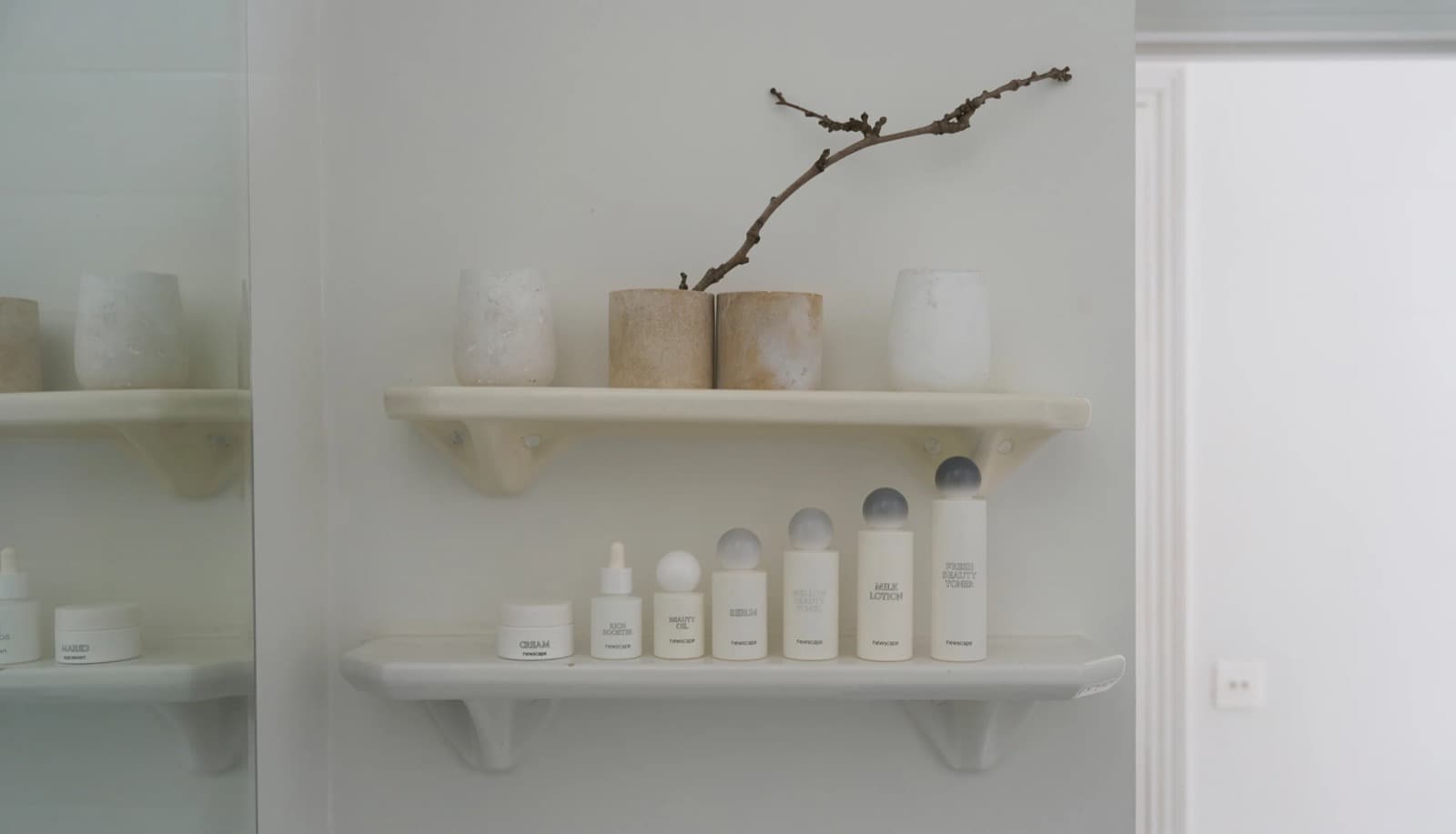
newscape
Transparency-led natural skincare from Japan
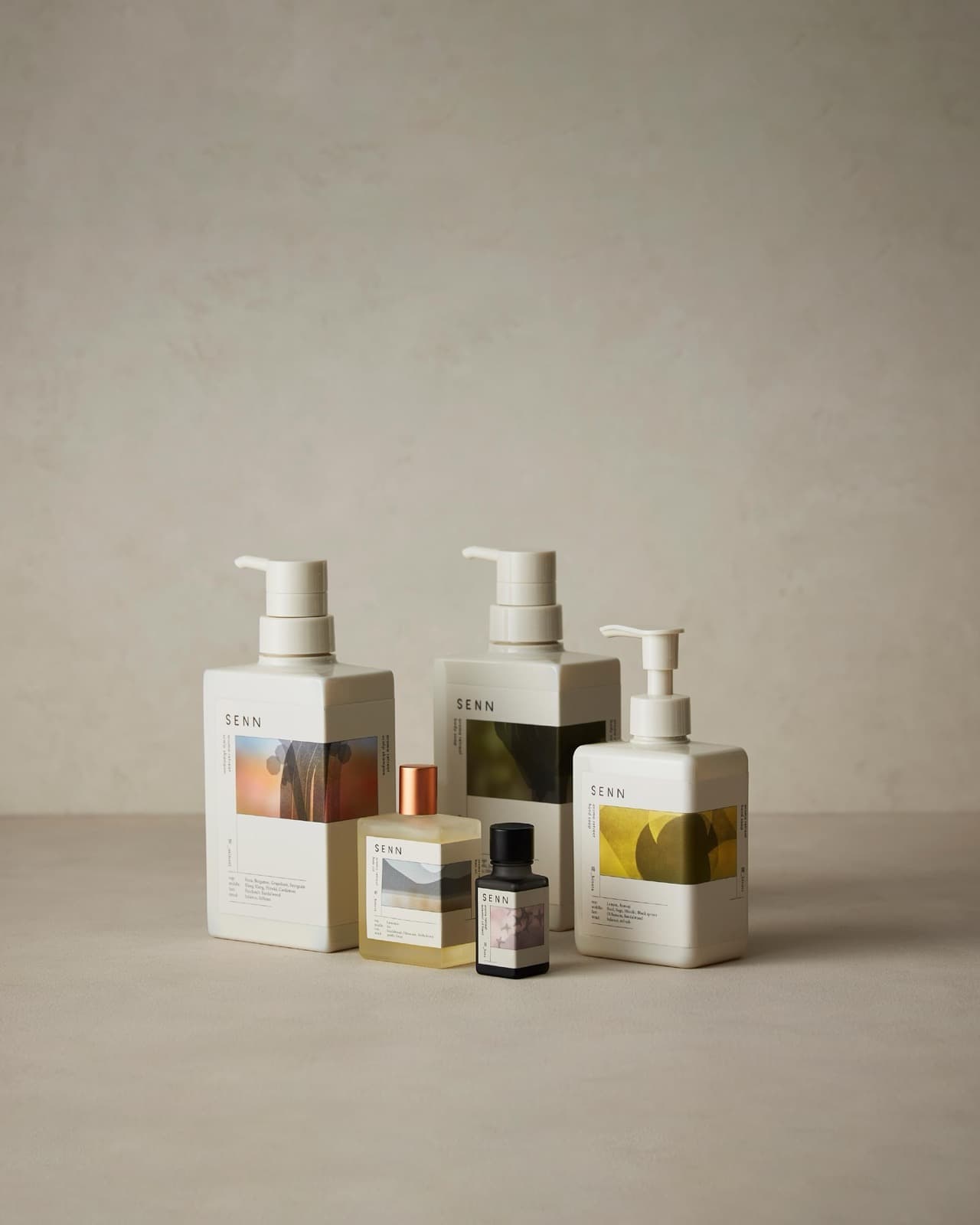
SENN
Japanese beauty through fewer steps
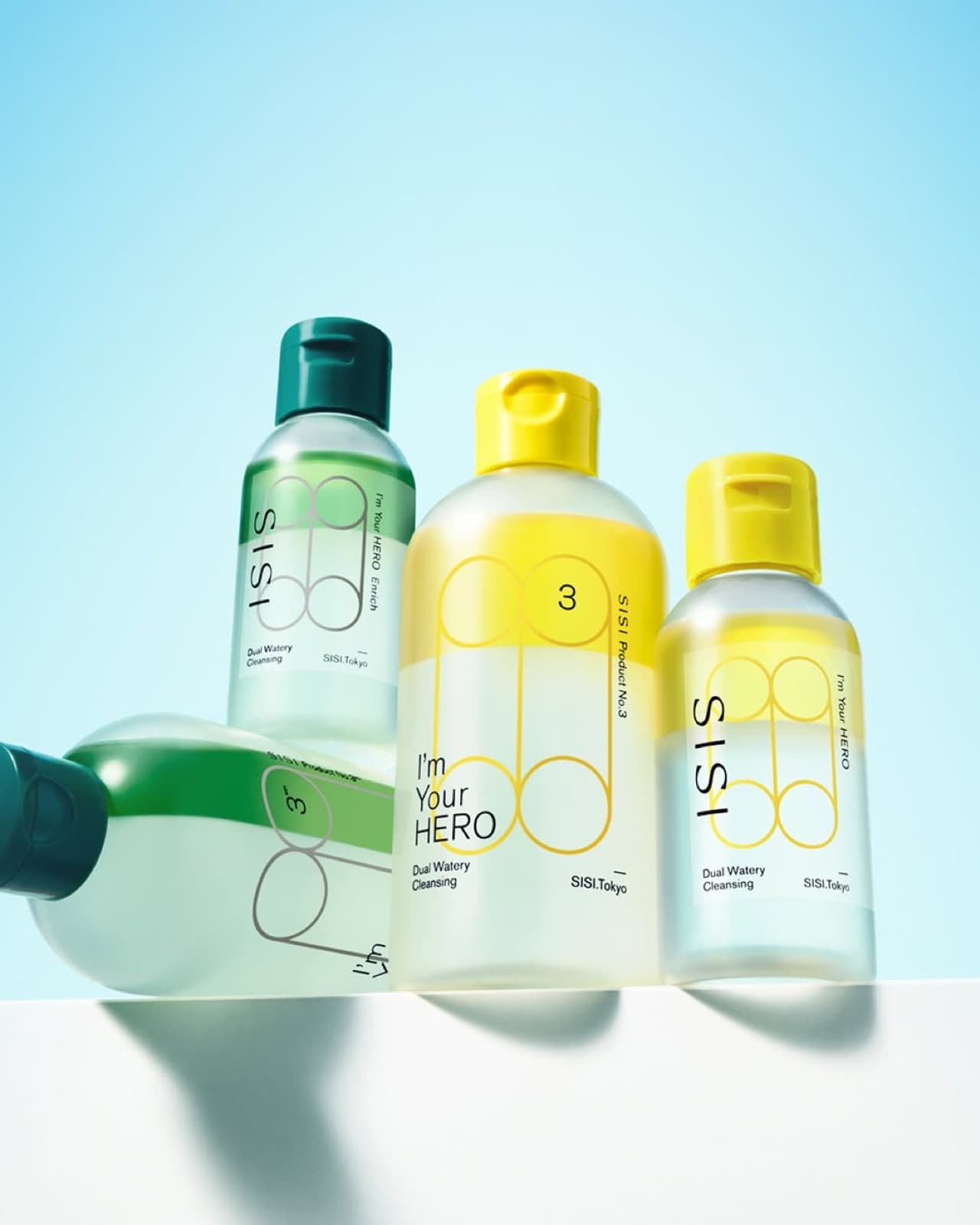
SISI
Edited skincare for daily routines
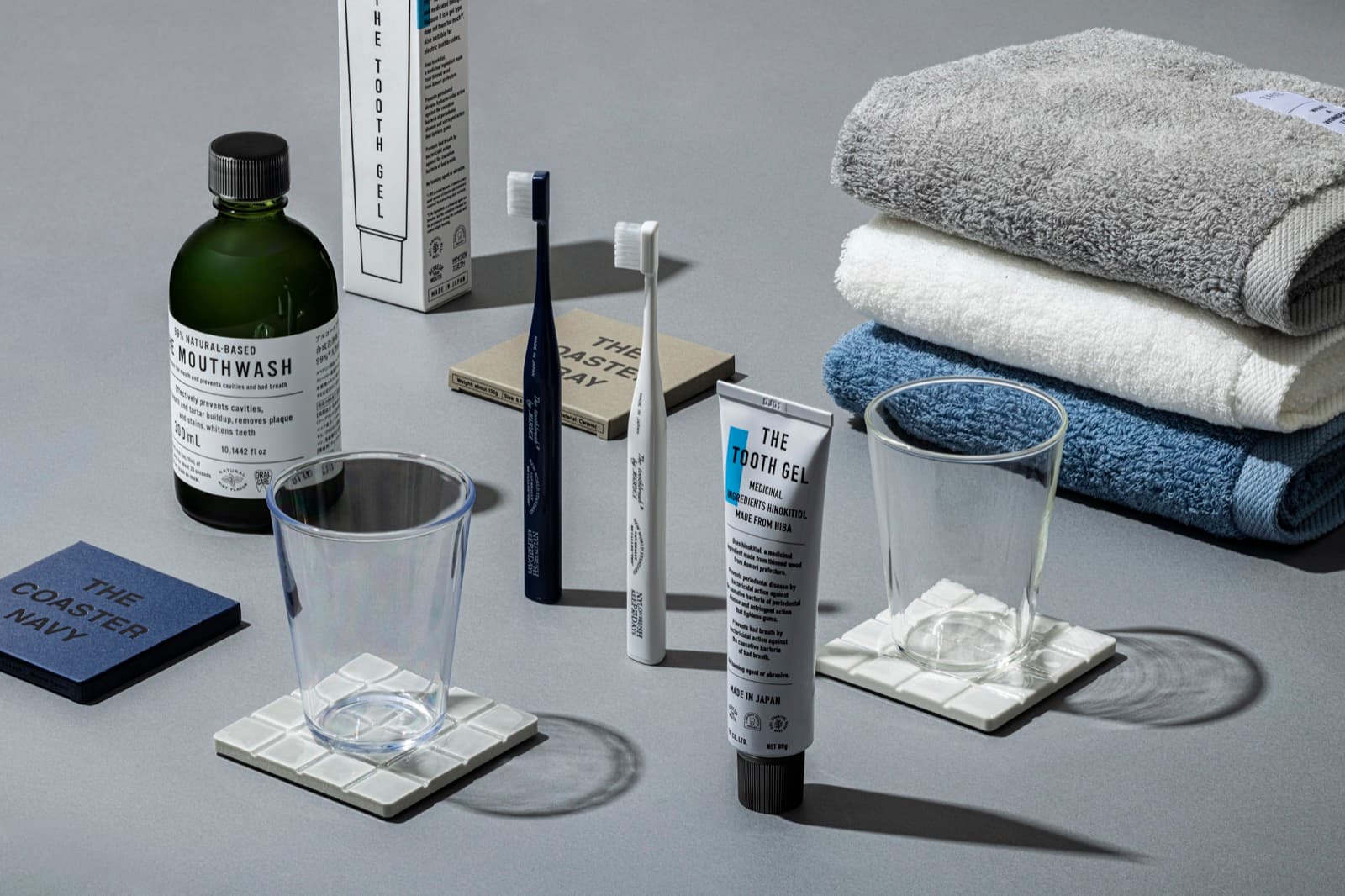
THE
Japanese standards for everyday objects
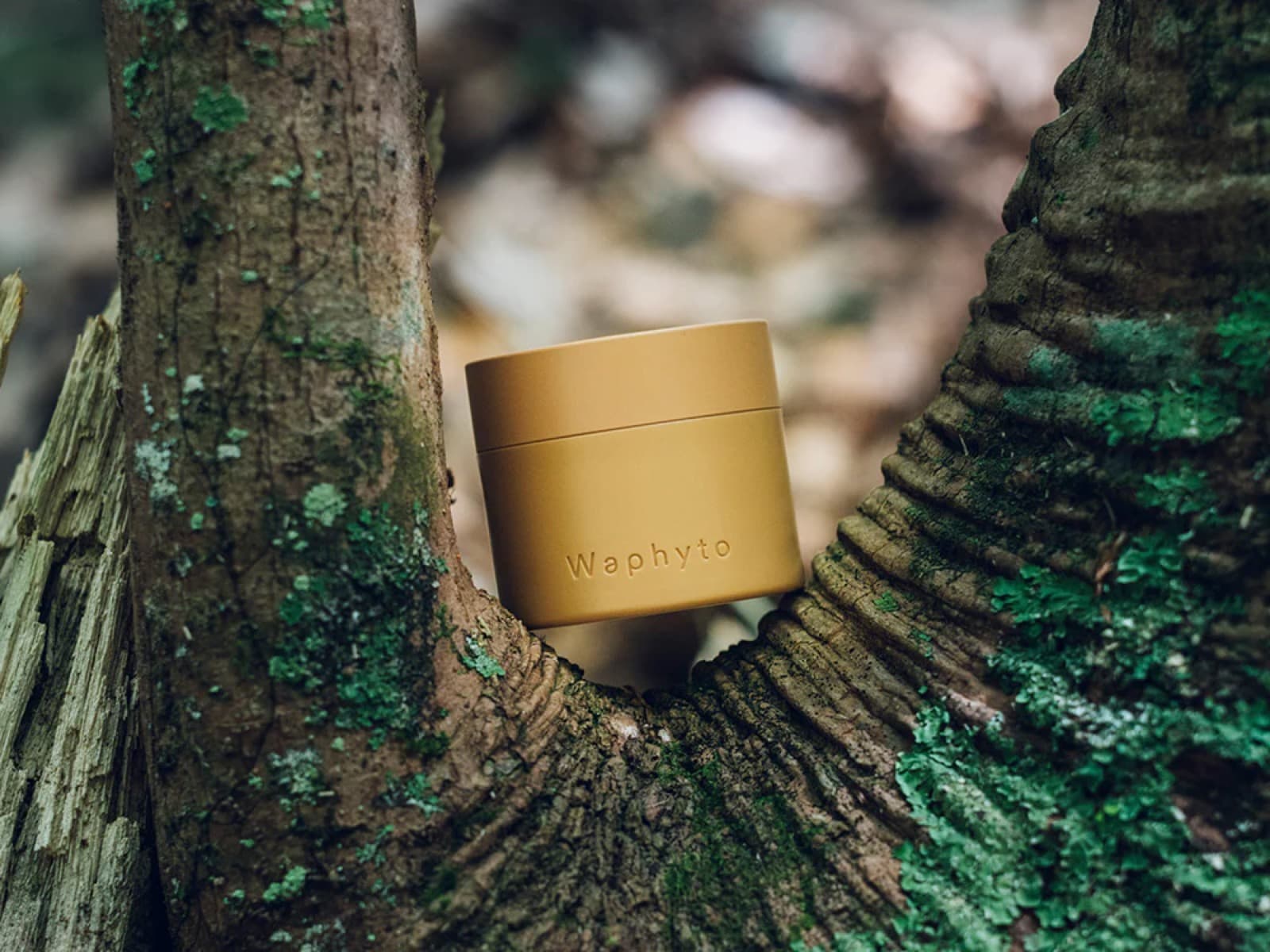
Waphyto
Botanical beauty from regional cultivation
What sets Japanese skincare apart
The reputation was built on texture and on routine: lightweight layers, water-based essences, and a culture that treats daily care as maintenance rather than repair. That much is well documented and widely copied.
What is less visible from abroad is the second wave — independent houses formulating with Japanese botanicals, working with domestic growers, and publishing ingredient lists short enough to read. They are rarely on the shelves that export, which is precisely why they are hard to find.
Ingredients grown at home
Rice bran, camellia oil, yuzu, hinoki, indigo, sake lees: the Japanese materia of skincare is agricultural before it is cosmetic, and several of the brands here trace a single ingredient to a single farm or prefecture.
That traceability is the argument. It is also the constraint — a harvest-linked formula cannot scale the way a synthetic one can, which is part of why these names stay small and stay local.
Buying it from abroad
Skincare is the category where international shipping breaks down most often: liquids, aerosols and volume limits mean a brand that ships clothing happily will refuse a bottle. Cosmetics also face import rules that vary by country. Each brand below carries its own access verdict, checked by hand — read it before you build a routine around something you can't reorder.