
Collection
Japanese Knitwear — the brands and the mills behind them
Knitting is where Japanese clothing hides its expertise: a gauge, a yarn twist and a machine old enough to have a name.
Every japanese knitwear brand in the index
Each one checked, by hand, for how it buys from abroad.
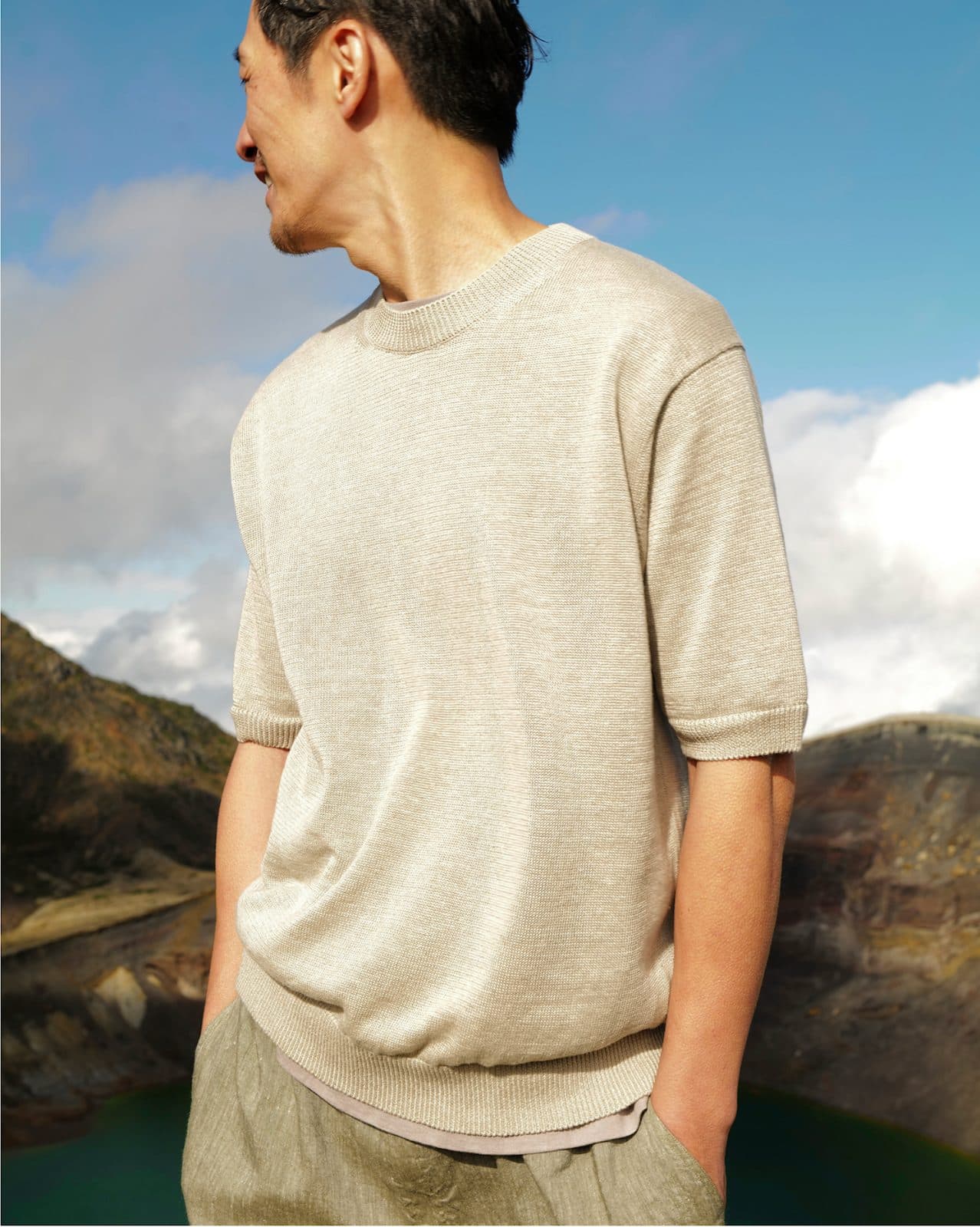
Batoner
Factory-rooted knitwear from Yamagata
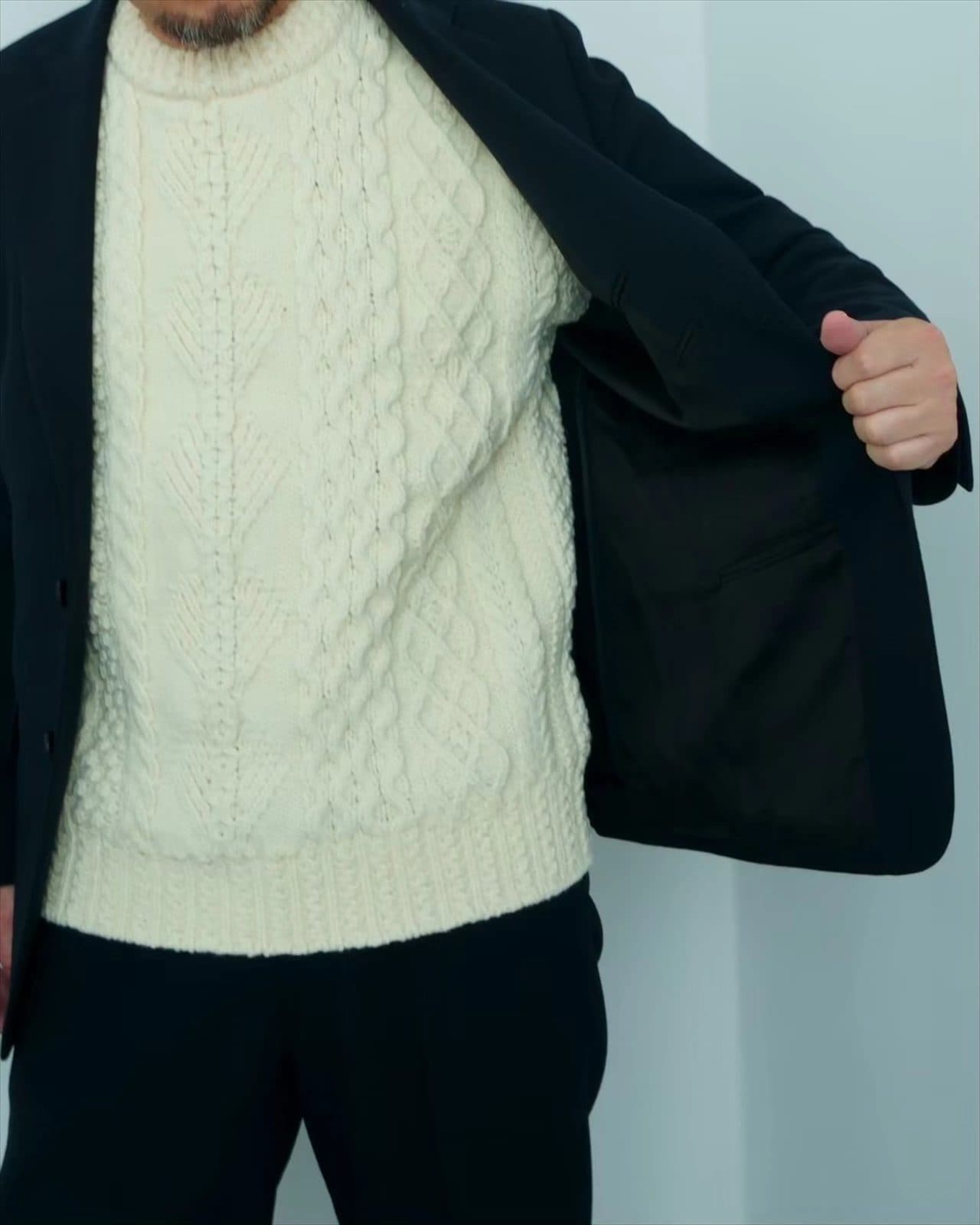
Yonetomi
Yamagata knitwear from a 1952 mill
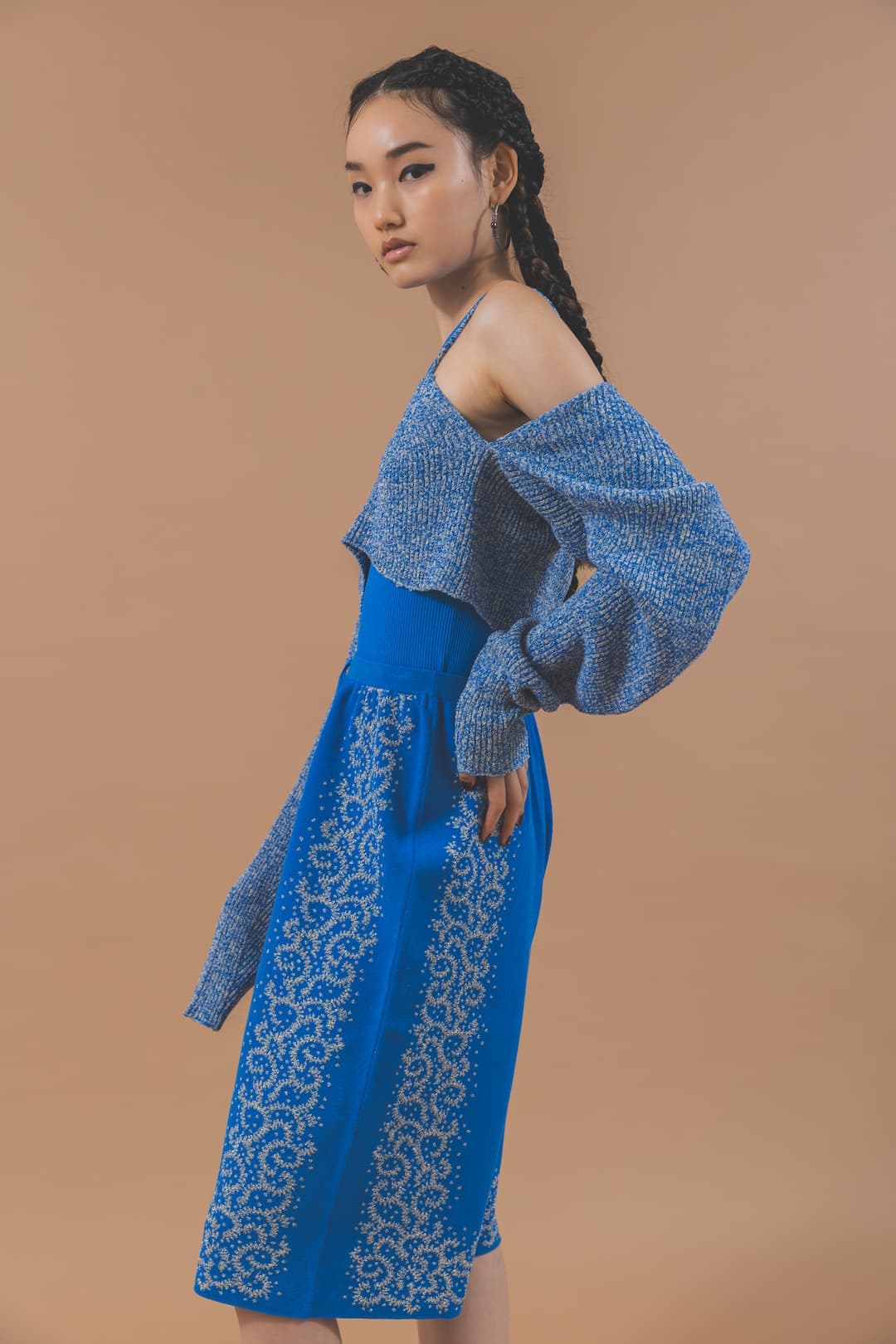
A ccordion
Knitwear shaped through yarn structure
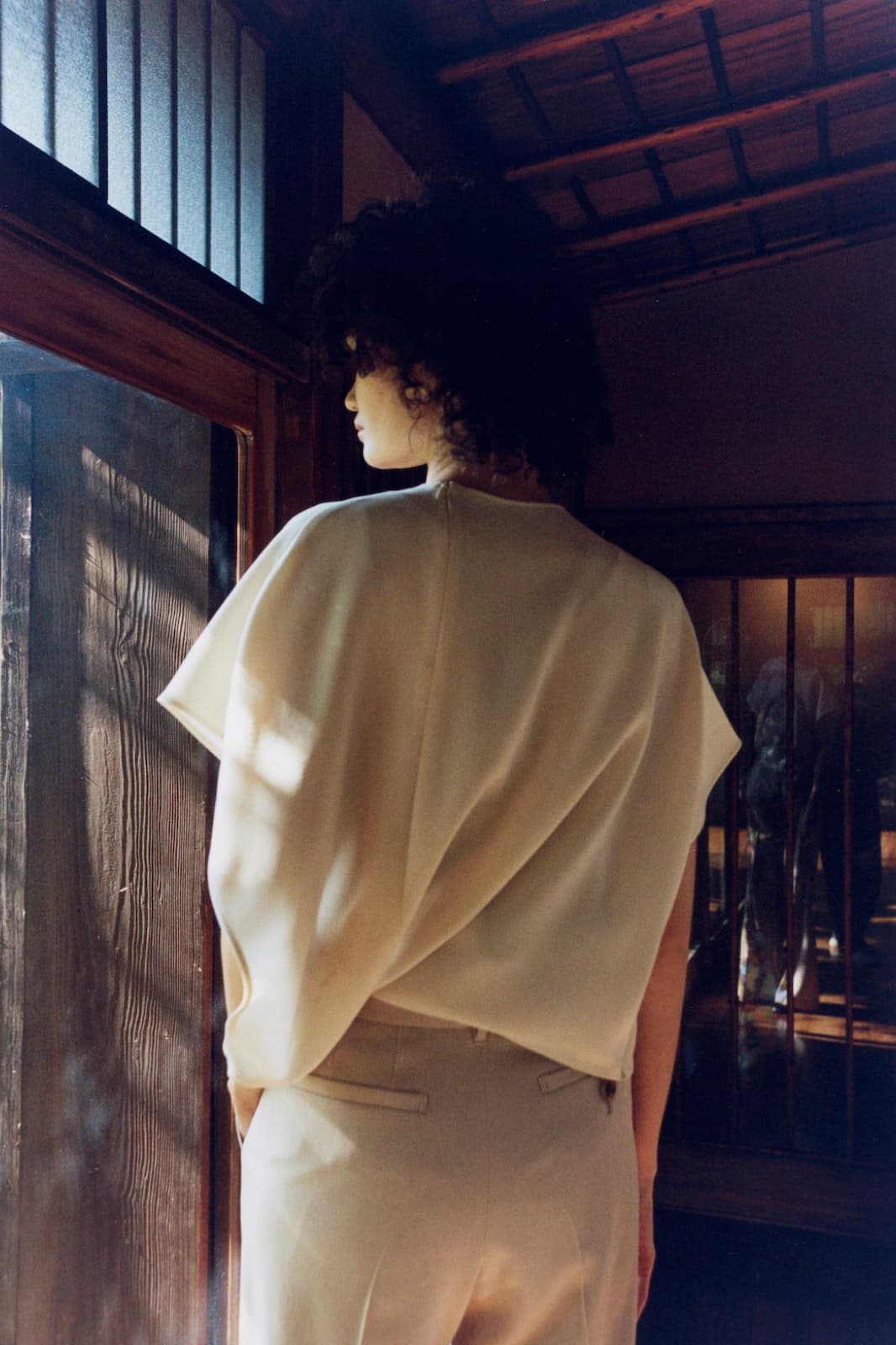
AKIRANAKA
Pattern-cut womenswear with formal precision
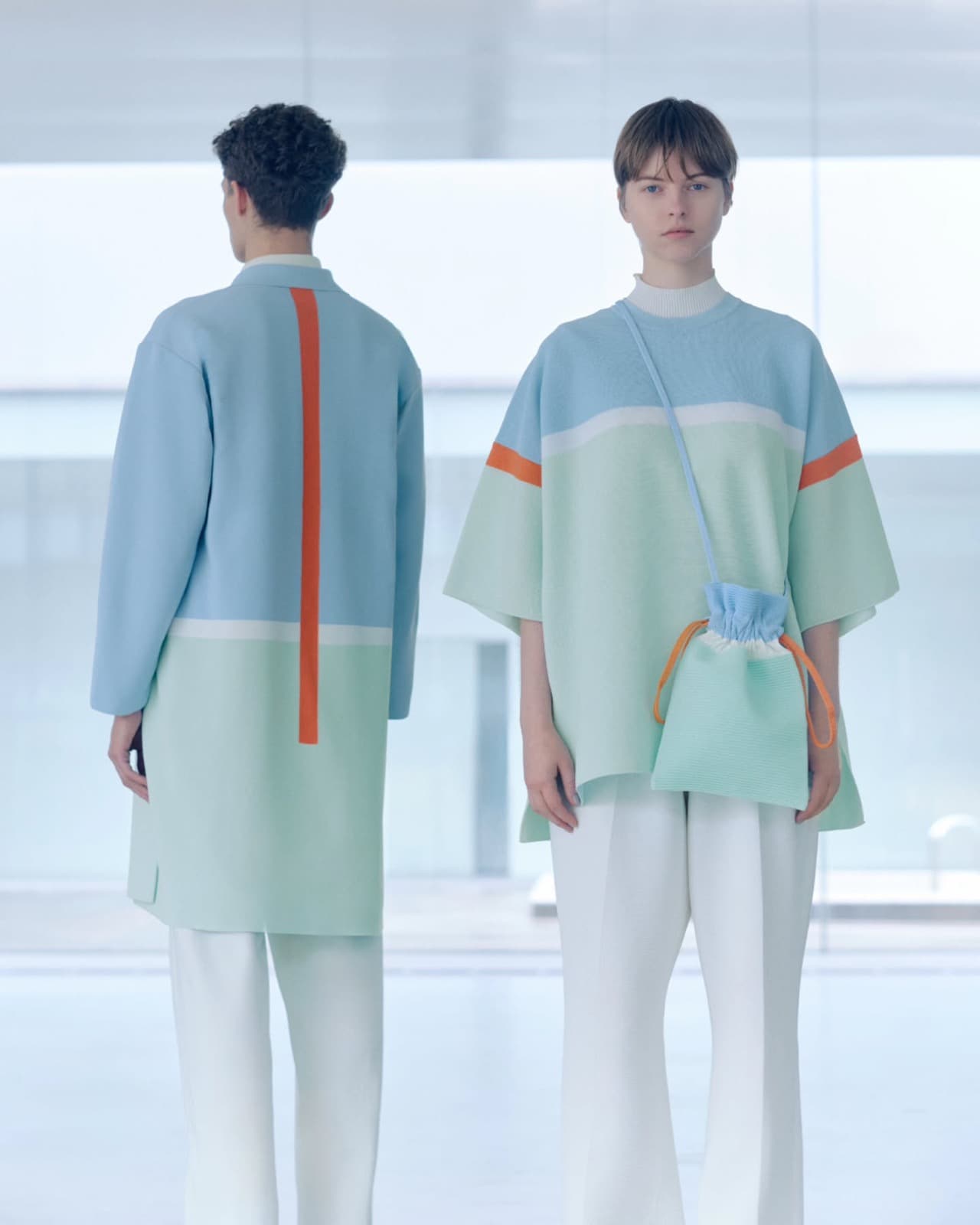
CFCL
Programmable knitwear for contemporary life
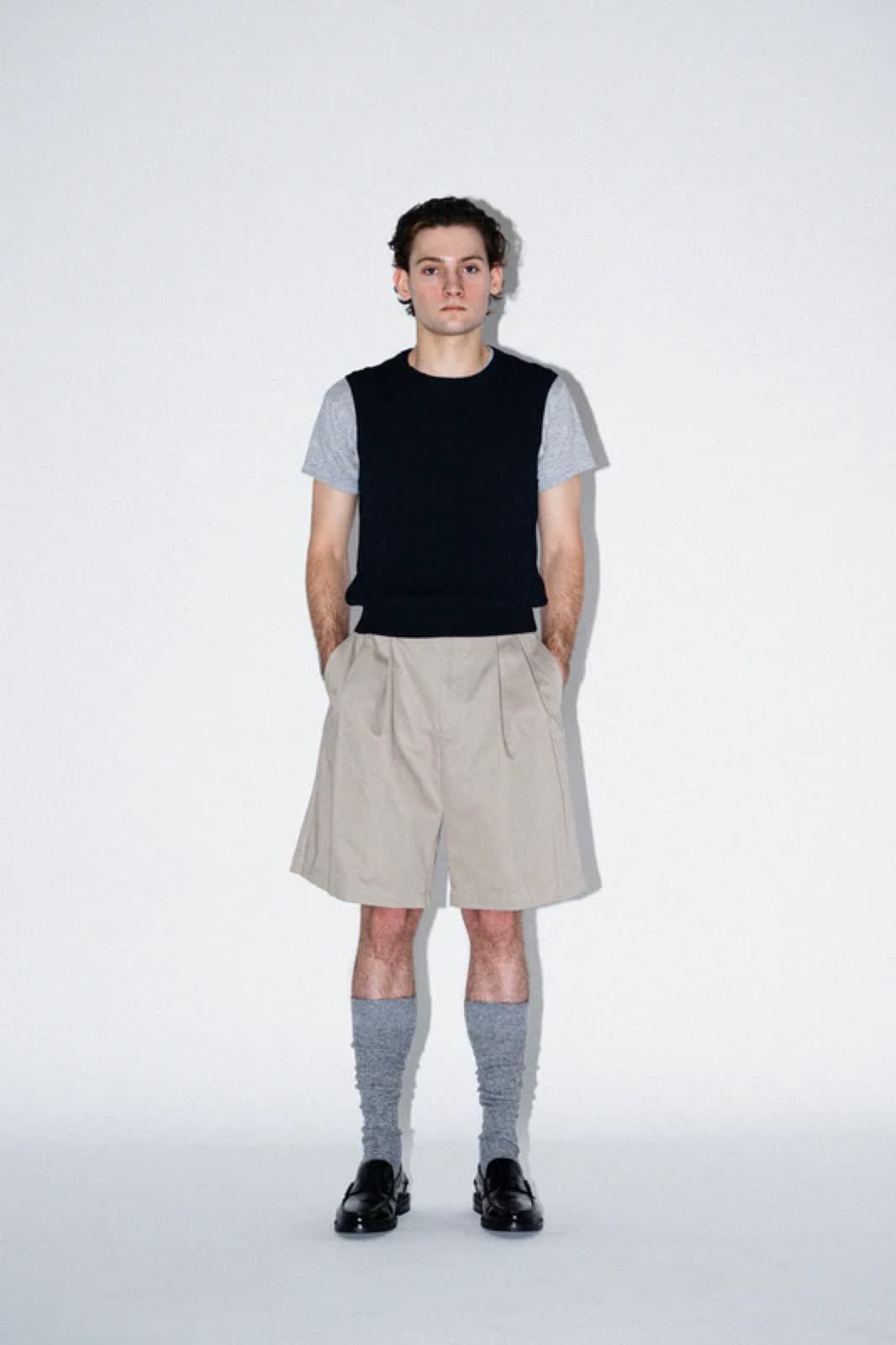
Apartment Three
Tokyo menswear with tailored clarity
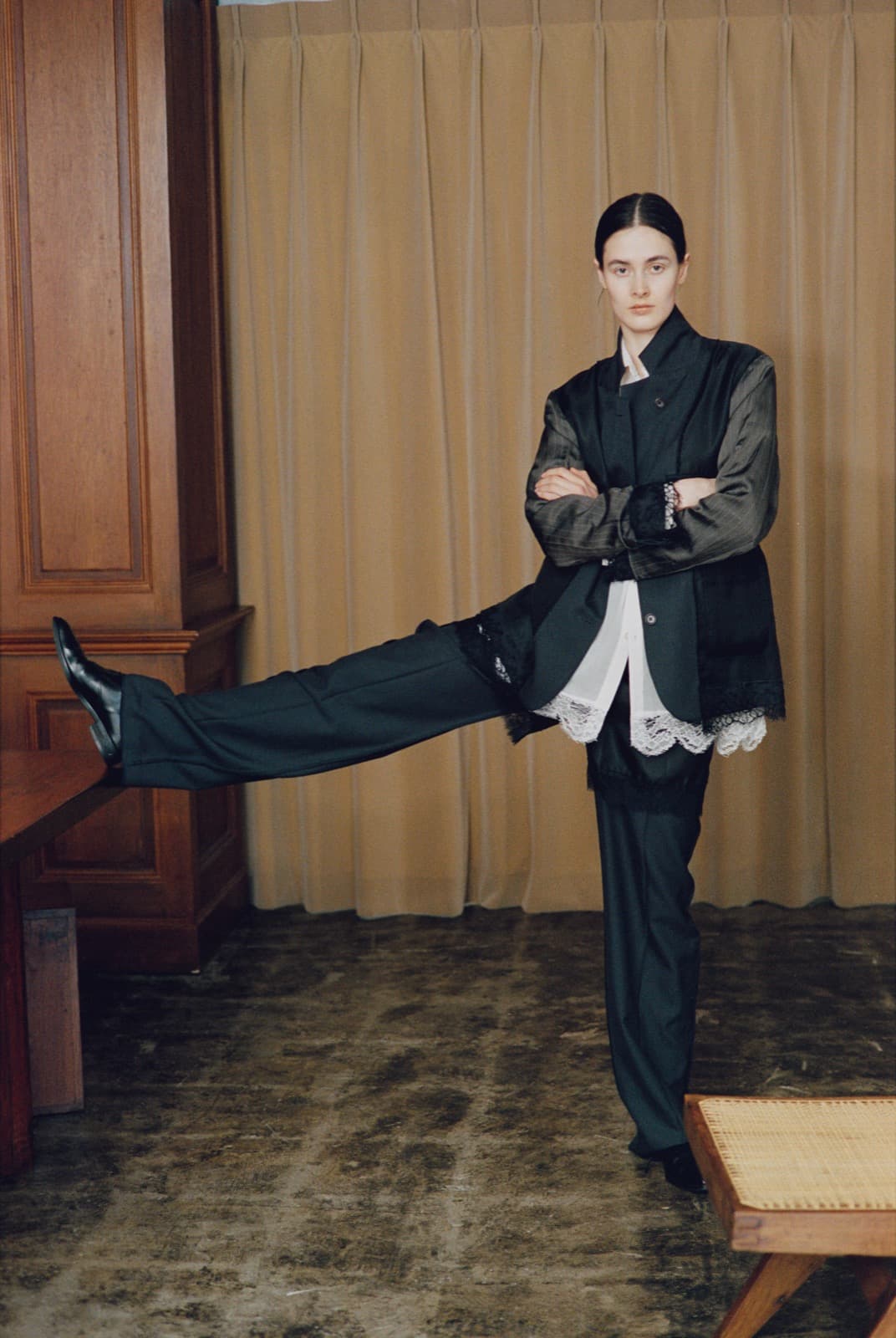
EUCHRONIA
Memory translated into original lace
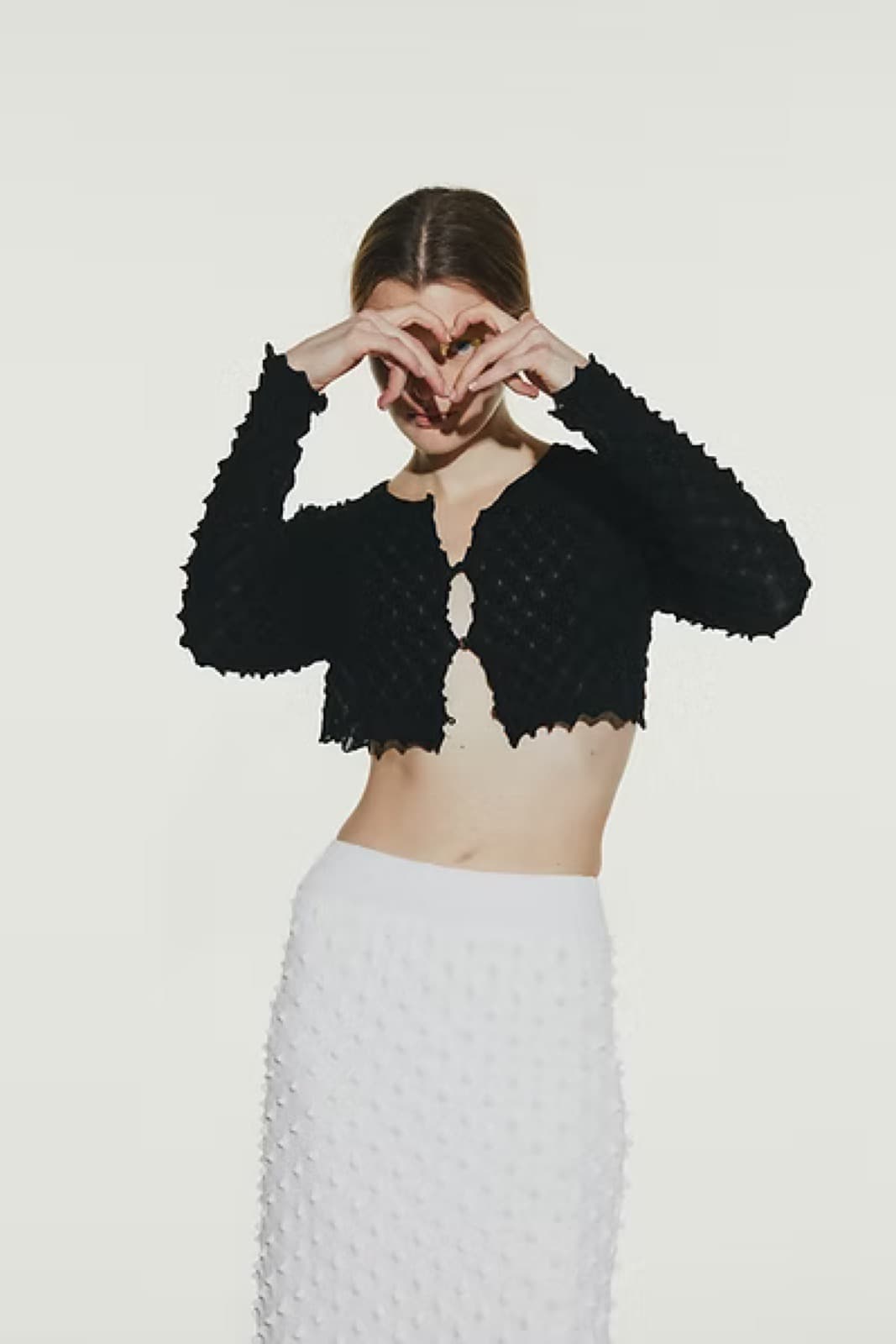
OPEN SESAME CLUB
Knitwear-led womenswear shaped through texture
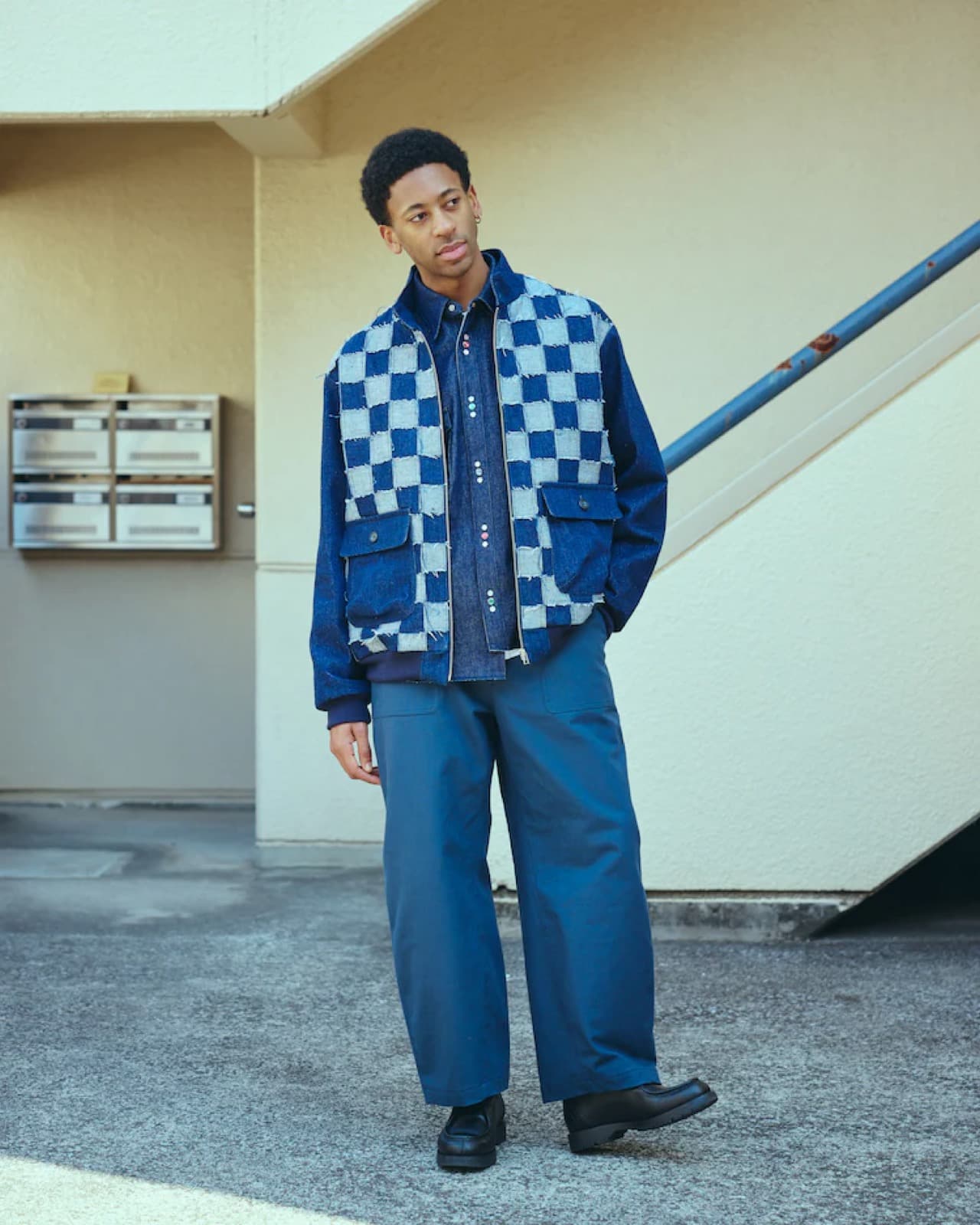
Shotahiyama
Contemporary clothing shaped through textiles
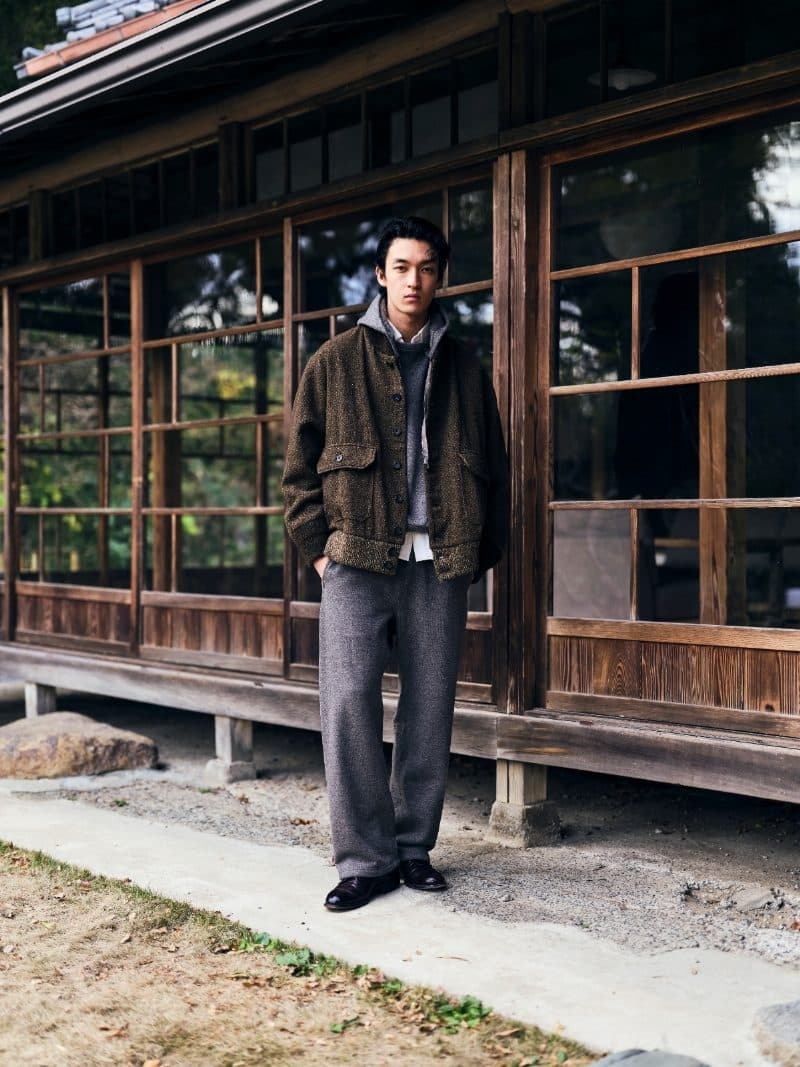
Slopeslow
Hand-spun knits, documented season by season
Why Japanese knitwear is different
Knitwear is judged on things that don't photograph: gauge, yarn twist, how a shoulder is joined, whether a rib recovers after a season. Japan's advantage is that the machines and the people who know them are still in the same towns, so a designer can sit with a knitter and adjust a stitch rather than send a spec sheet abroad and hope.
The result is a category where small labels punch far above their size. A studio of three can access a gauge count and a finishing standard that would be a mill minimum order anywhere else.
Where it is made
Yamagata prefecture, and Sagae in particular, holds one of the densest concentrations of knitting machinery in the country — including gauges most factories have retired. Several of the labels here either sit in those towns or produce there, which is why a knit from a Tokyo studio often carries a Yamagata address on the inside.
Elsewhere the work is computational rather than regional: whole-garment machines that knit a piece in one run, with no cutting and almost no waste, are a Japanese speciality that a handful of the brands below have built their entire practice around.
What to look for
Gauge is the first number that matters — the higher it is, the finer the needle and the more the garment will read as tailoring rather than as a jumper. Then the yarn: a Japanese label will usually tell you the fibre, the spinner and sometimes the farm, and the ones that don't are worth a question.
Finally, construction. Fully-fashioned pieces are shaped on the machine rather than cut from knitted cloth; whole-garment ones have no seams at all. Both cost more and both last longer, which is the whole argument.
Buying it from abroad
Knitwear travels better than most categories — it is light, it is forgiving on fit, and it survives a long shipping route. The catch is that several of these houses sell only inside Japan. Each brand below carries its own international access verdict, checked by hand, so you know before you fall for a piece whether it can reach you.