
Collection
Japanese Homeware — objects for the table, the kitchen and the room
The Japanese household object is designed to be used daily and to survive it — which is why so much of it looks plain until you hold it.
Every japanese homeware brand in the index
Each one checked, by hand, for how it buys from abroad.
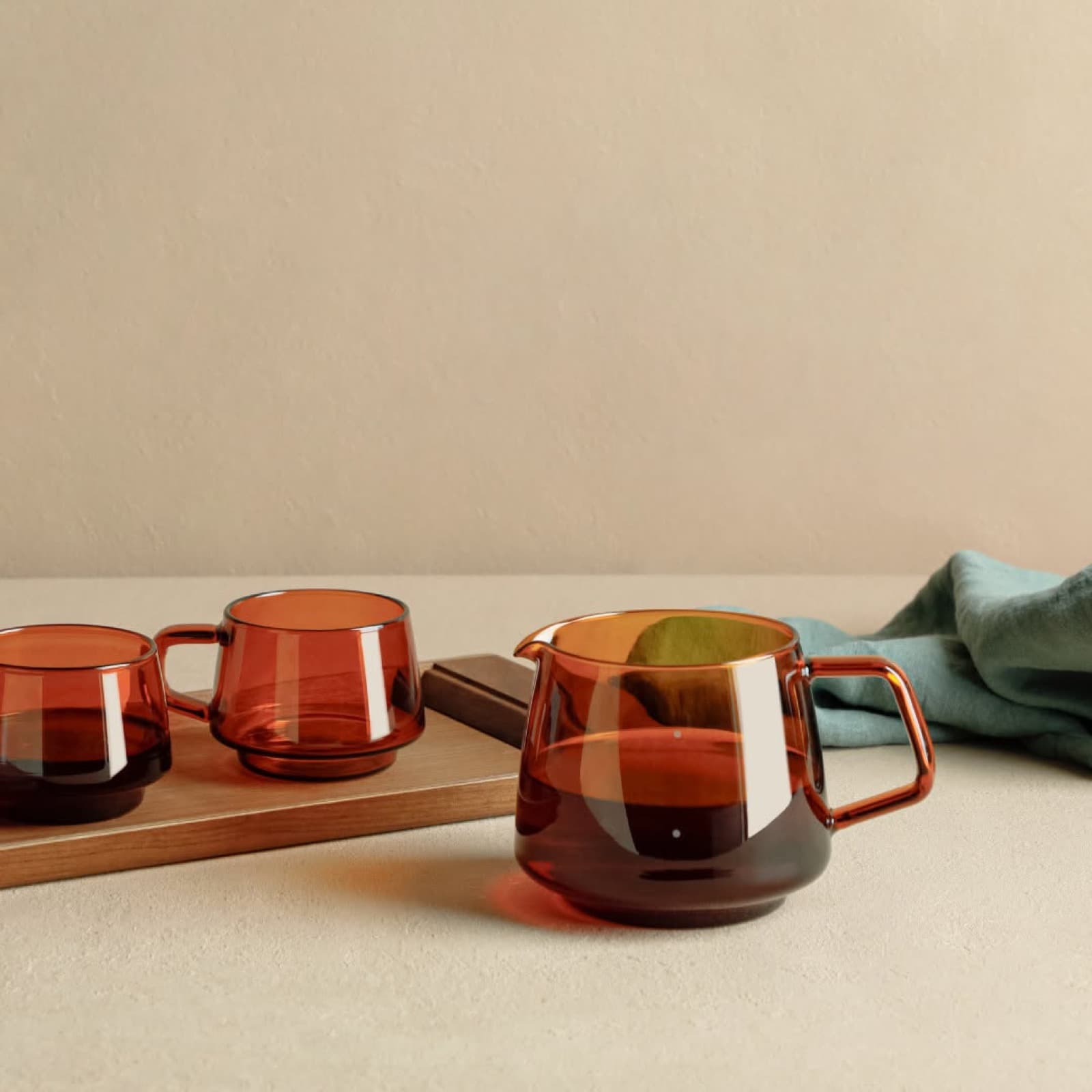
Kinto
Japanese tools for daily rituals
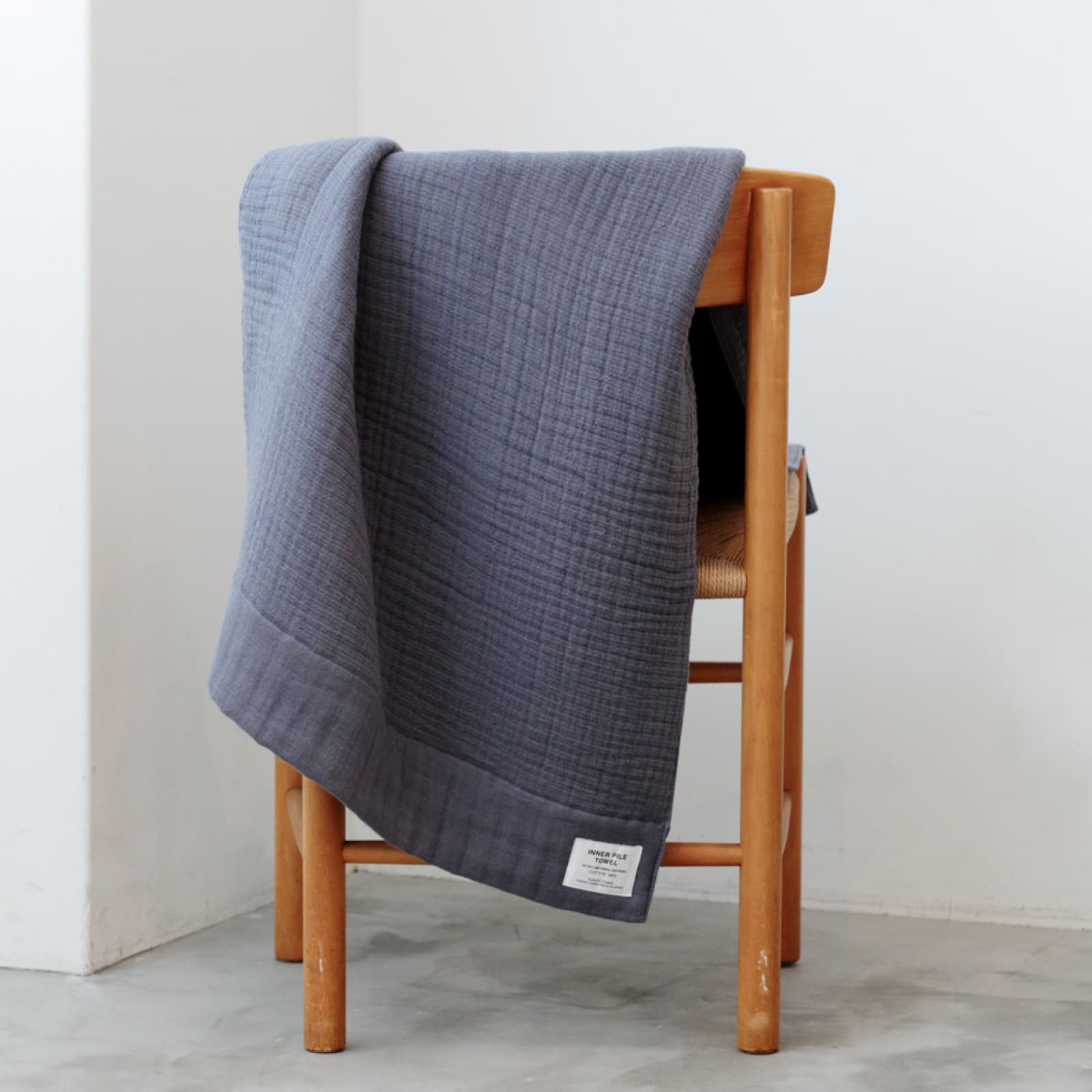
Shinto Towel
Senshu towels through textile engineering
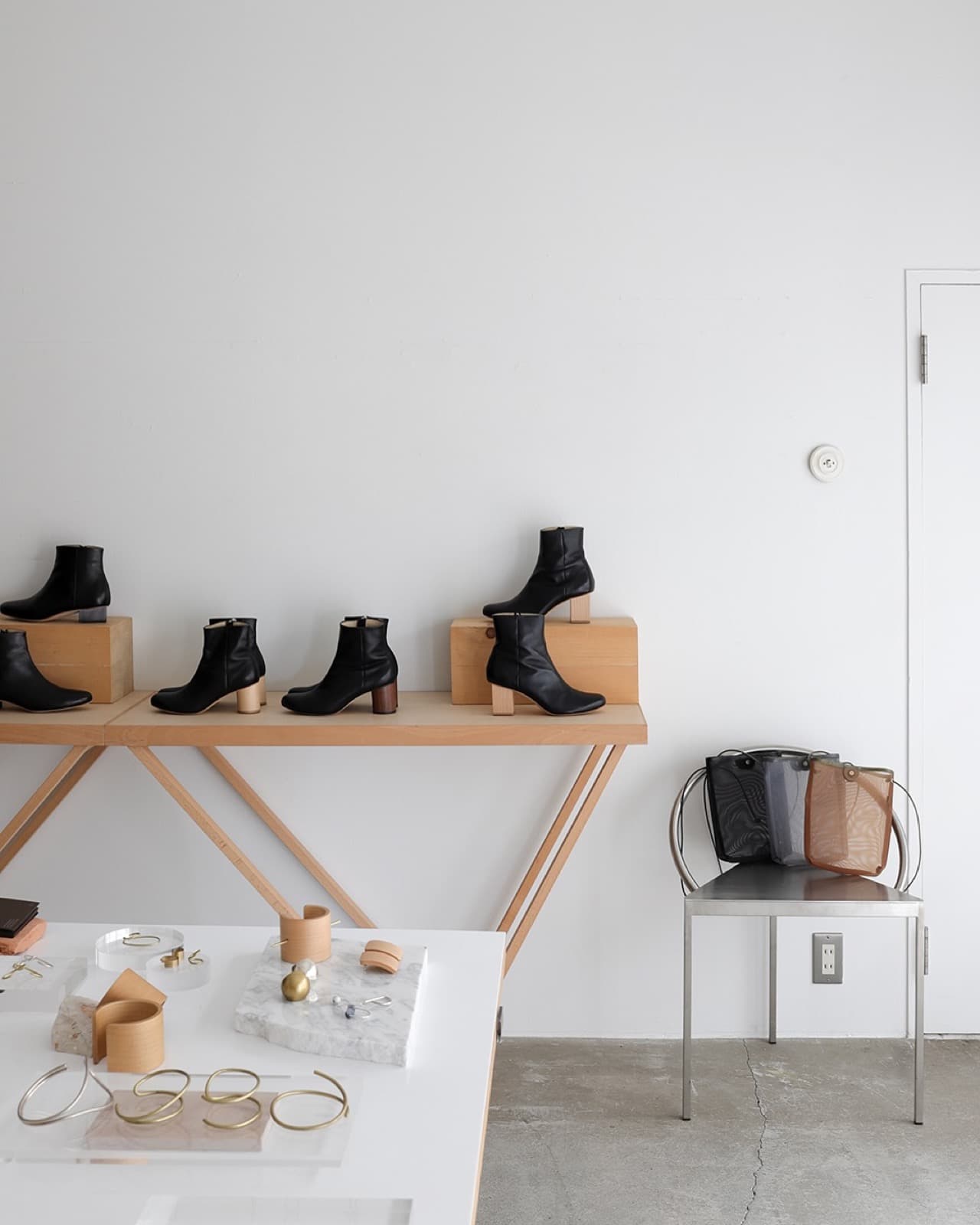
_Fot
Objects shaped by the Three primary forms
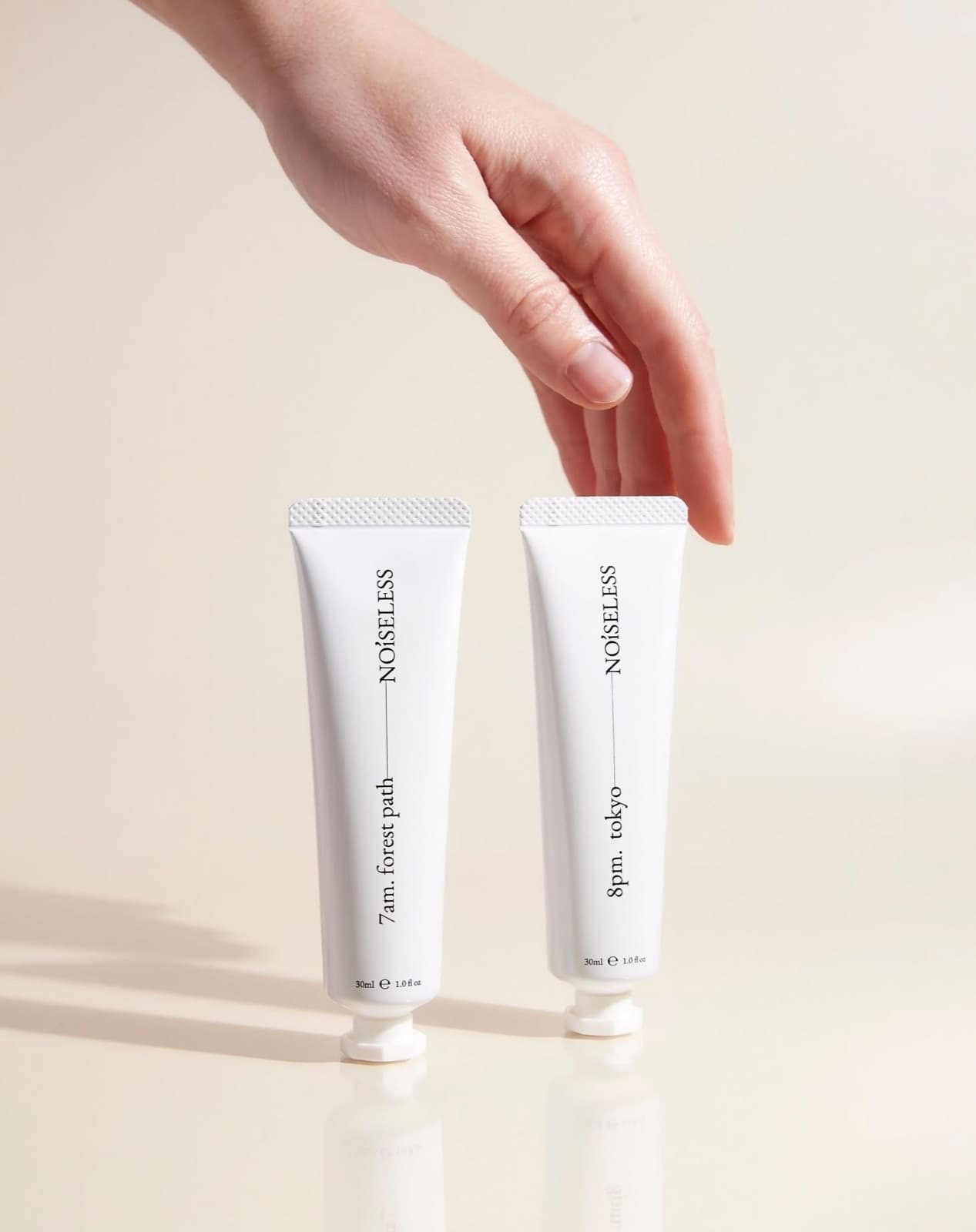
noiseless
Quietly edited objects for daily use

Rekrow
Hiroshima-made objects from production knowledge
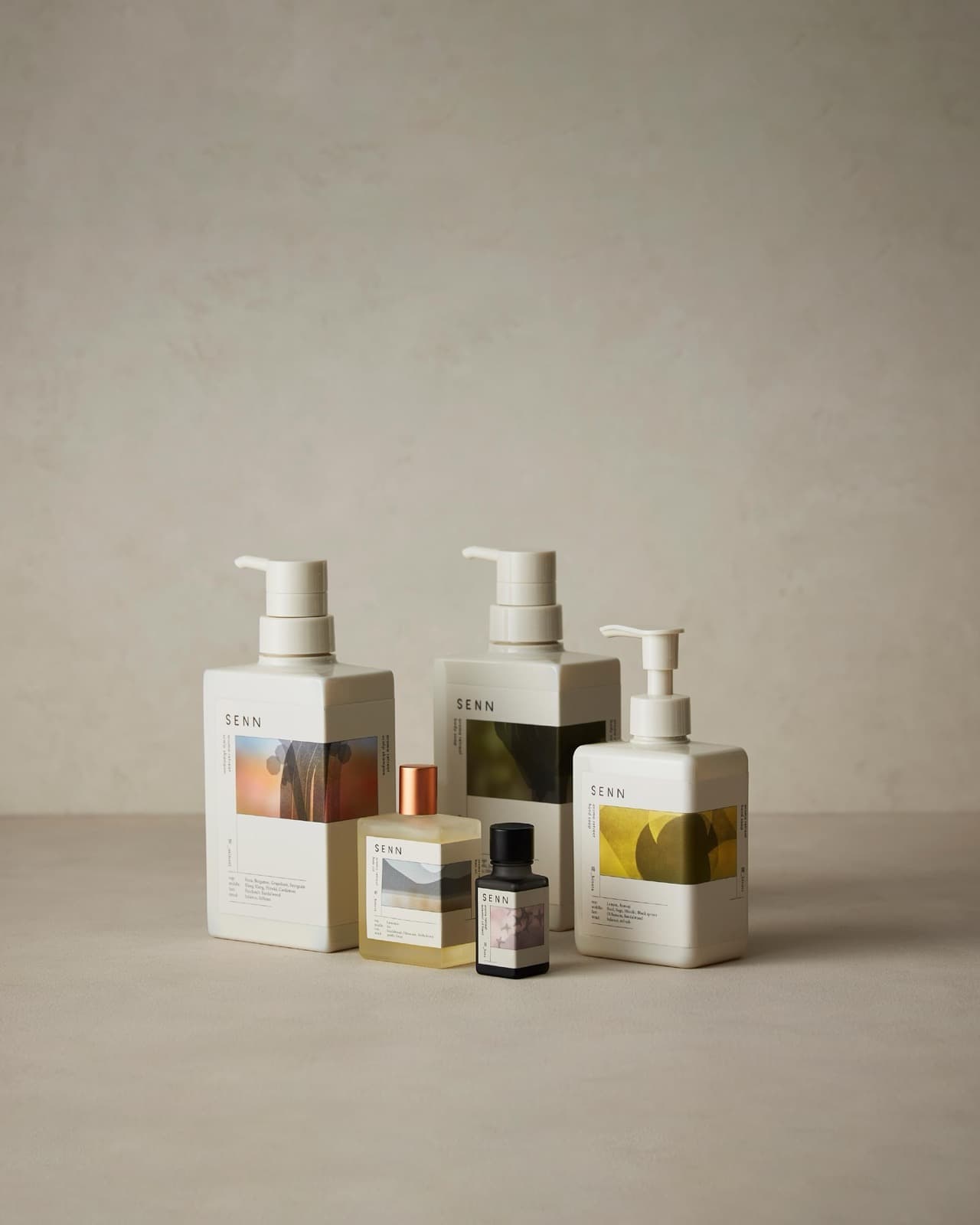
SENN
Japanese beauty through fewer steps
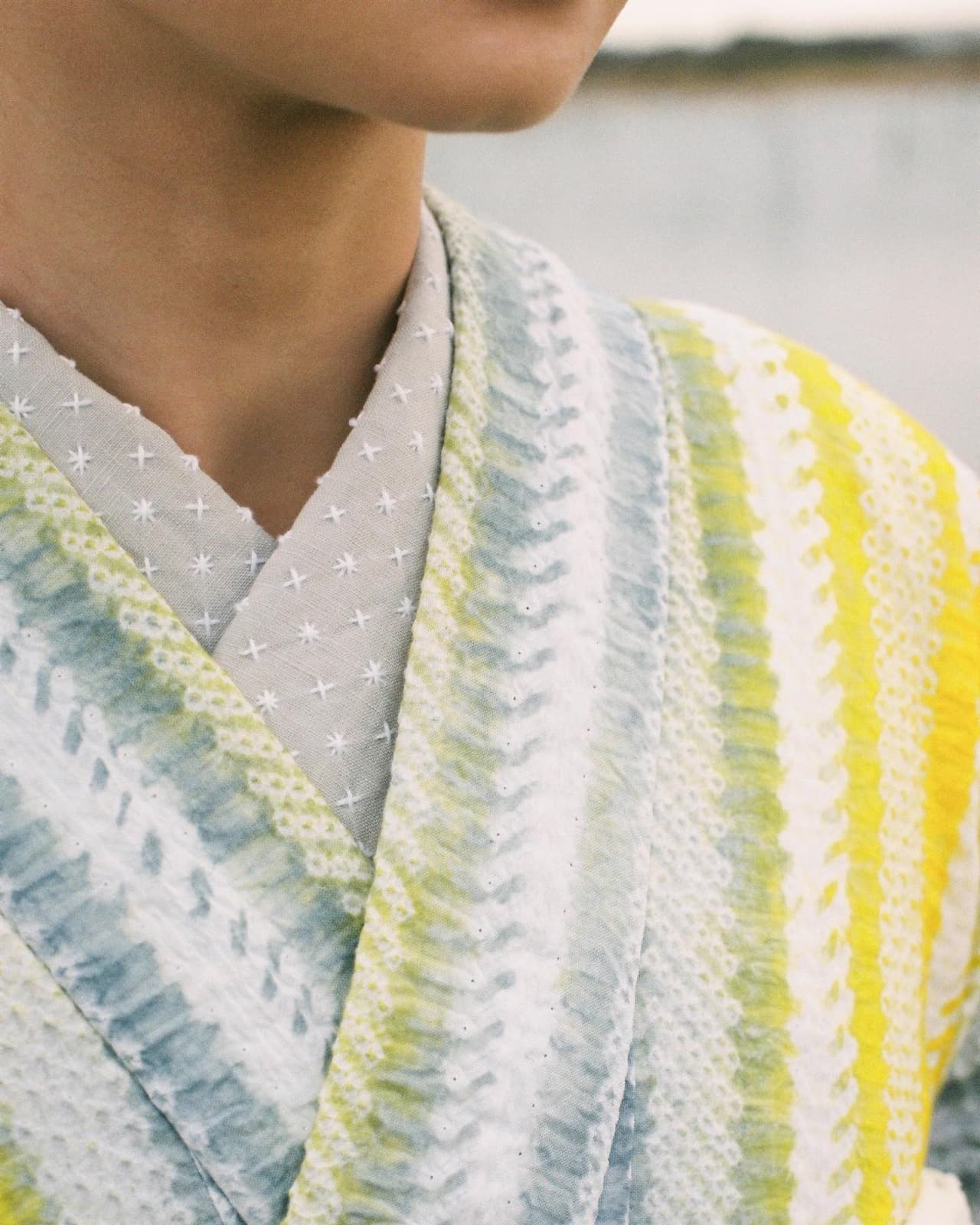
TERAS
Sashiko and boro for living
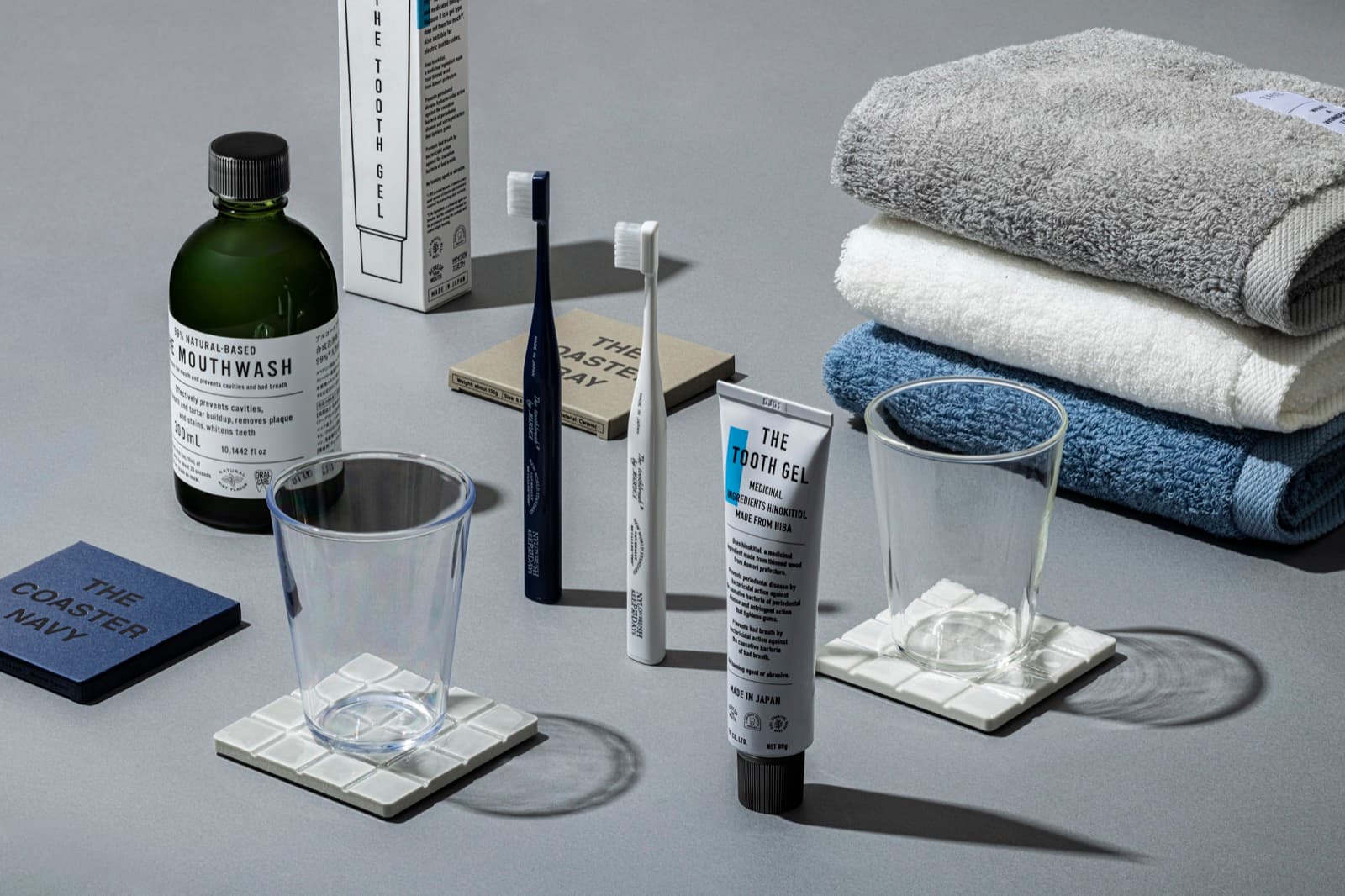
THE
Japanese standards for everyday objects

Tuuli
Manufacturer-led everyday wear and objects
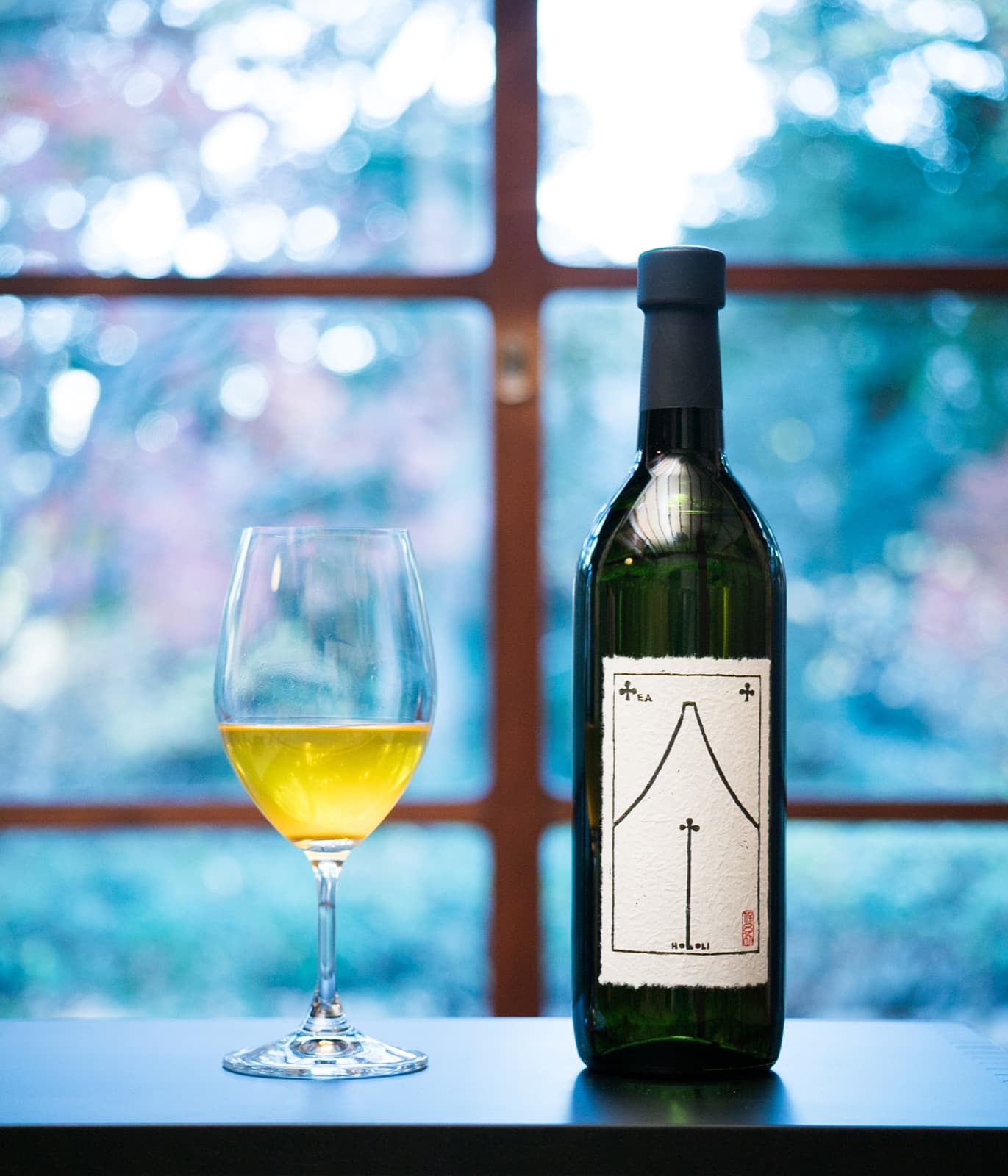
Hololi
Japanese craft across everyday senses
Made where the craft is
Homeware is the category where Japanese geography is most legible. Mino and Tajimi for ceramics, Tokoname and Seto for clay, Kanazawa for lacquer and gold leaf, Tsubame-Sanjo for metal: a household object usually carries the name of the town that has made that object for centuries.
Several of the brands here are the modern face of exactly such a place — a studio designing for a kiln or a workshop that has outlived every company that ever ordered from it.
Plain on purpose
The restraint is not minimalism as a style. It comes from objects that have to sit together on a small table, be washed daily, and not compete with food. Weight, balance and how a lid meets a rim matter more than silhouette.
Mottainai — the refusal to waste what still holds value — runs underneath the category. Things are made to be repaired, refilled and replaced part by part rather than thrown away whole.
Buying it from abroad
Ceramics and glass are the hardest things on this site to ship: heavy, fragile, and often refused outright by brands that will post a shirt without hesitating. Each brand below carries its own international access verdict, checked by hand, and for the difficult ones the buying routes are set out on their page.