KATIM
Japanese footwear shaped by walking
- Shibuya, Tokyo
- 2016
- Objects · Leather Shoes, Sandals, Boots
- ¥¥¥
- Partial sustainable production
- 1LDK Aoyama
How to buy from abroad
Japan only
Japanese only
International & secure
No international returns
The story
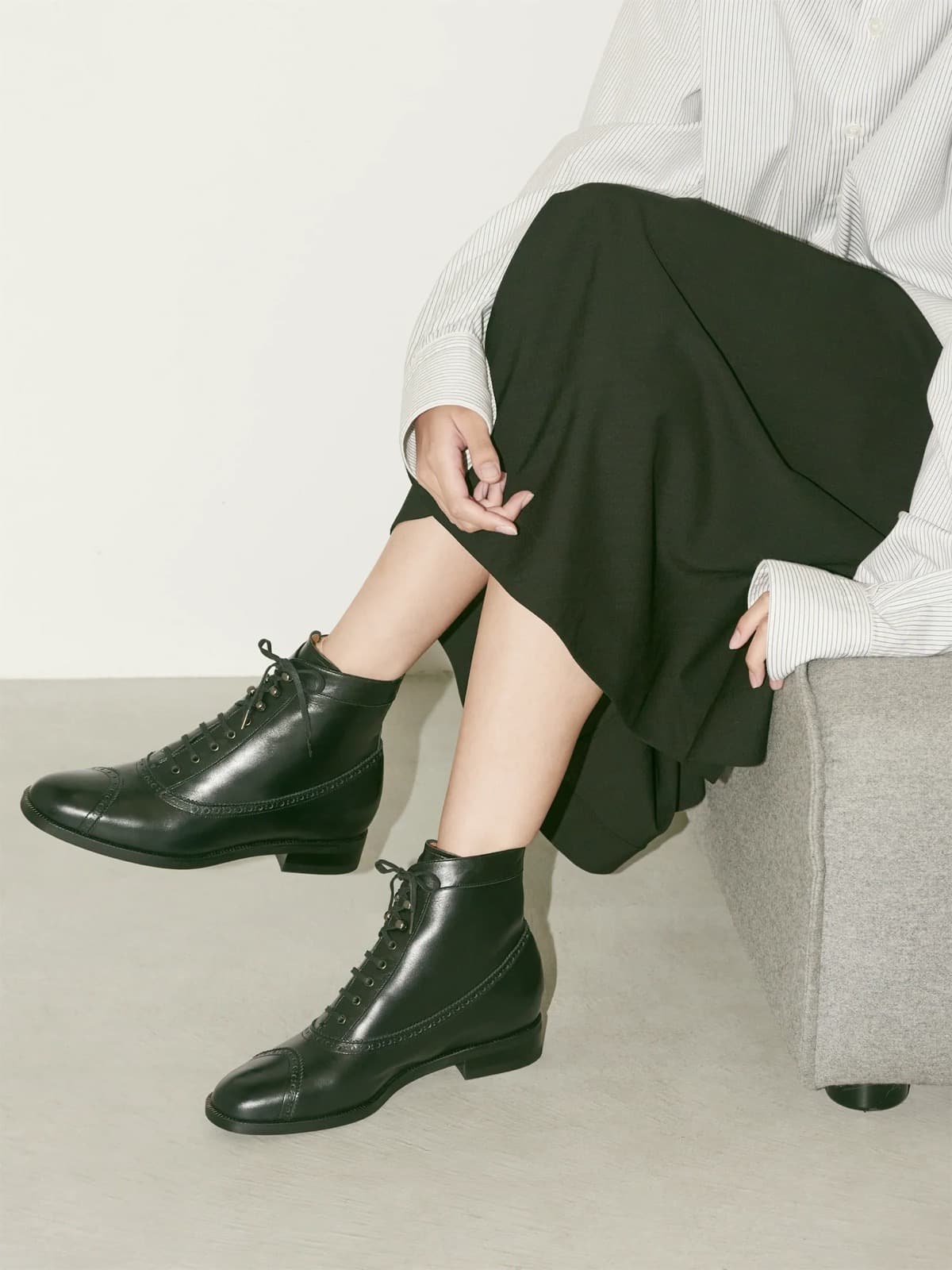
KATIM is a Japanese footwear brand founded by Eiko Kosaka and launched in Spring/Summer 2016. Operating through KATIM INC. in Shibuya, Tokyo, the label focuses on women’s shoes developed around the relationship between form, gait, and long-term wear, rather than seasonal novelty.
Its practice begins with original lasts developed in-house from data analysing Japanese feet across age groups. According to the brand, patterns are adjusted to account for changes in foot shape while standing, sitting, and walking, with attention to reducing pressure at the toes and preventing seams from hitting joints. The shoes combine factory production with extensive handwork by skilled makers, and use carefully selected materials even in concealed parts.
Within contemporary Japanese fashion, KATIM distinguishes itself by treating footwear as both wearable equipment and designed object. Kosaka’s background in production and her study of German orthopedic shoemaking inform a method that connects fit, structural logic, and appearance. The result is not a revival of traditional craft, but a modern, data-informed approach to shoes intended to be maintained and worn over time.
Where to find it
Retail mapMore Objects
The indexDisclaimer
Honmono is an independent directory of contemporary Japanese brands. Entries are compiled from publicly available information — prioritising official brand channels, press releases, and other reputable sources — and are presented for reference and research purposes only. Honmono aims to describe brands and their work in a neutral, factual manner.
Honmono is not endorsed by, affiliated with, or authorised by any brand featured on this page. All trademarks, logos, names, and brand assets remain the property of their respective owners. Honmono does not sell products or represent any brand.
Page updated