
Collection
Japanese Denim — a curated index of the brands shaping it
Japanese denim represents one of the most refined expressions of craftsmanship in modern fashion, shaped by a deep respect for heritage, precision, and material.
Every japanese denim brand in the index
Each one checked, by hand, for how it buys from abroad.
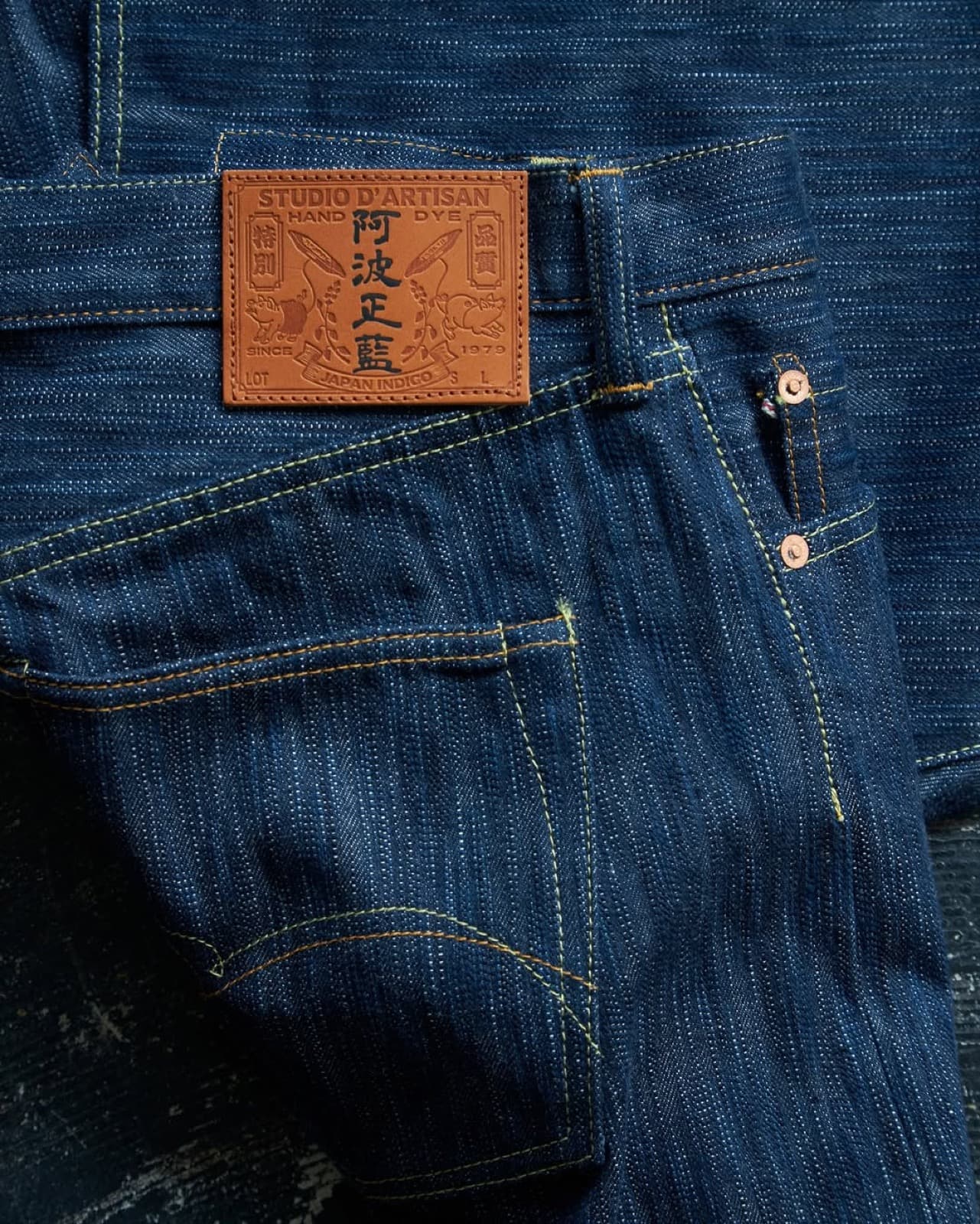
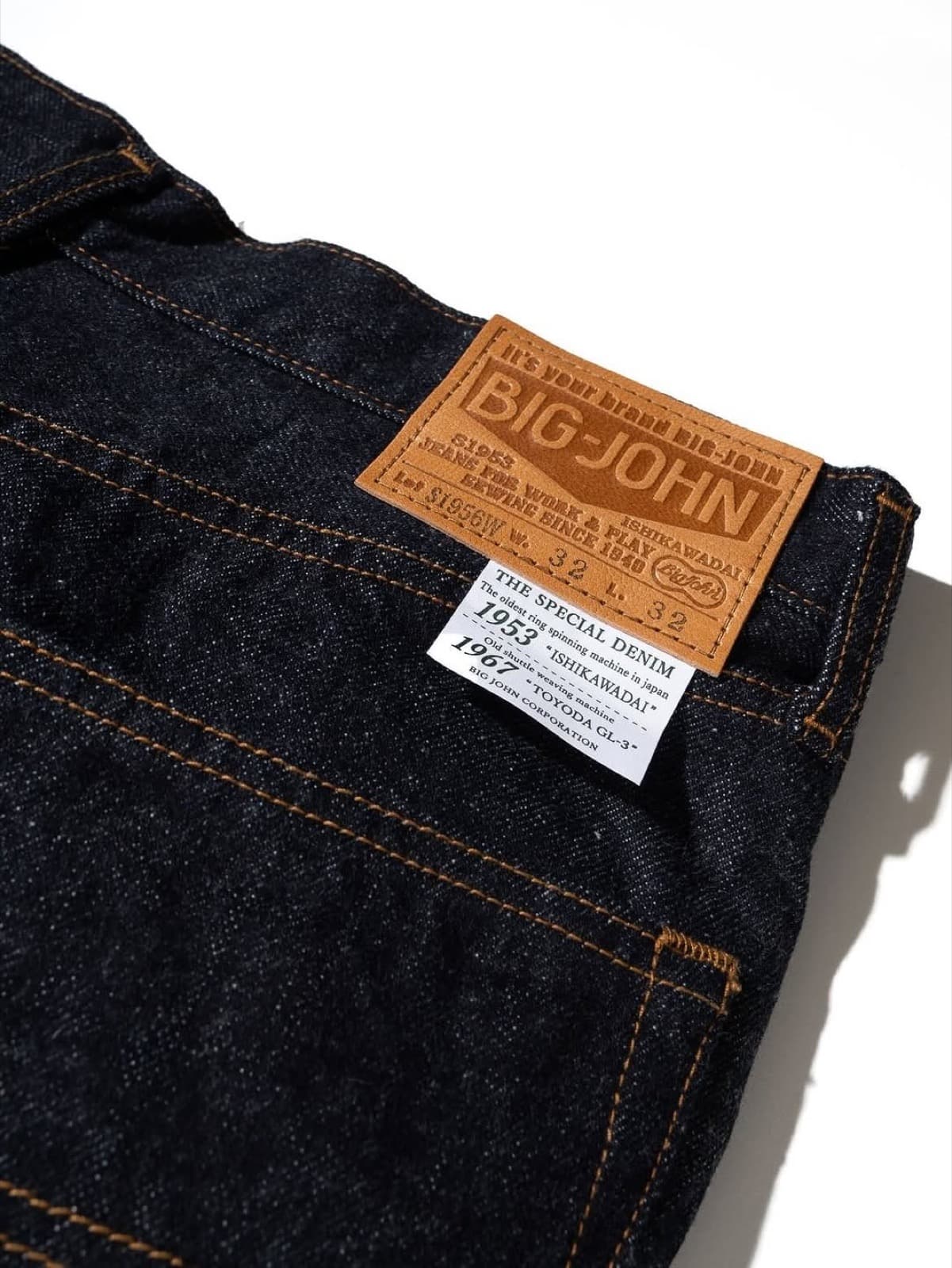


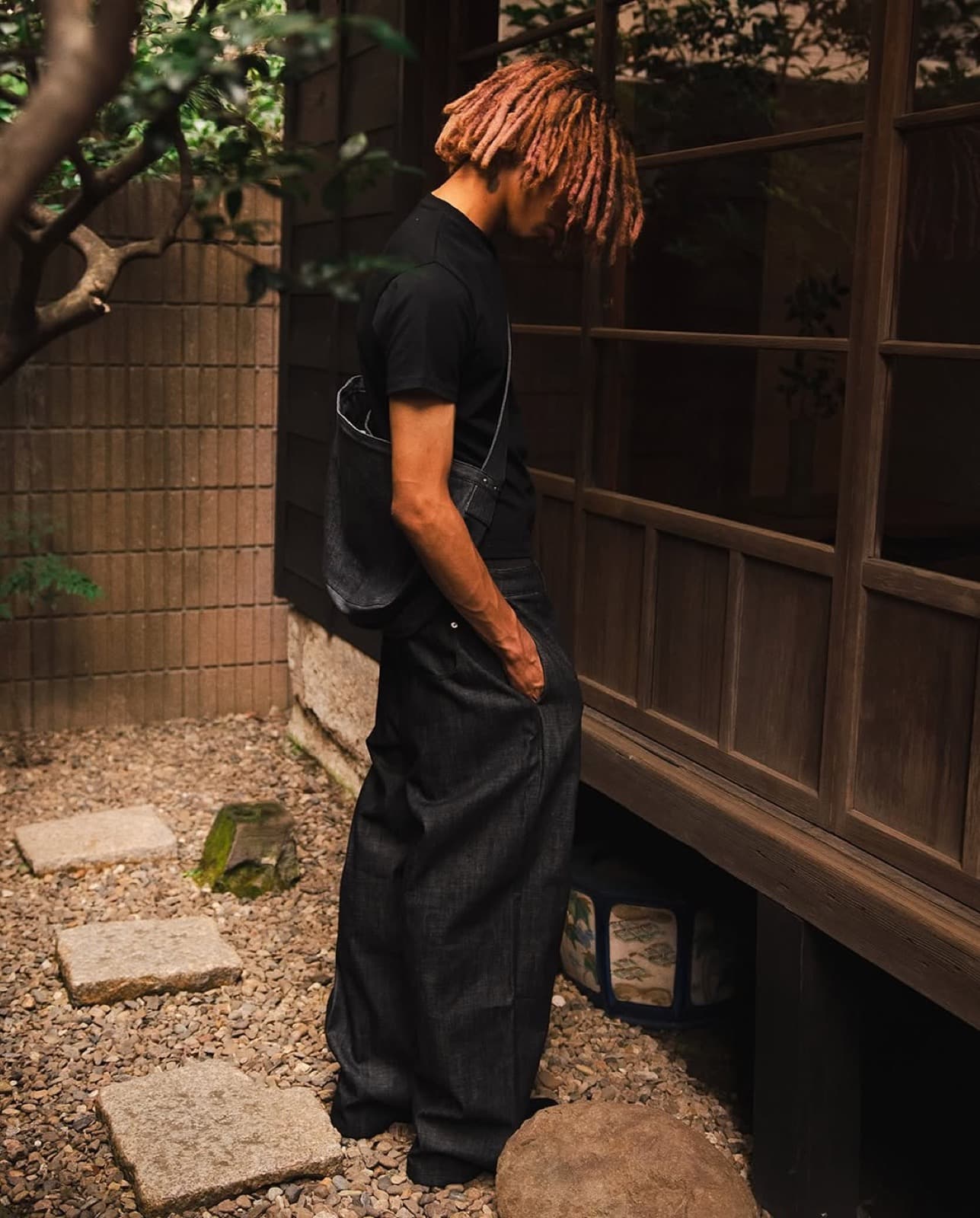
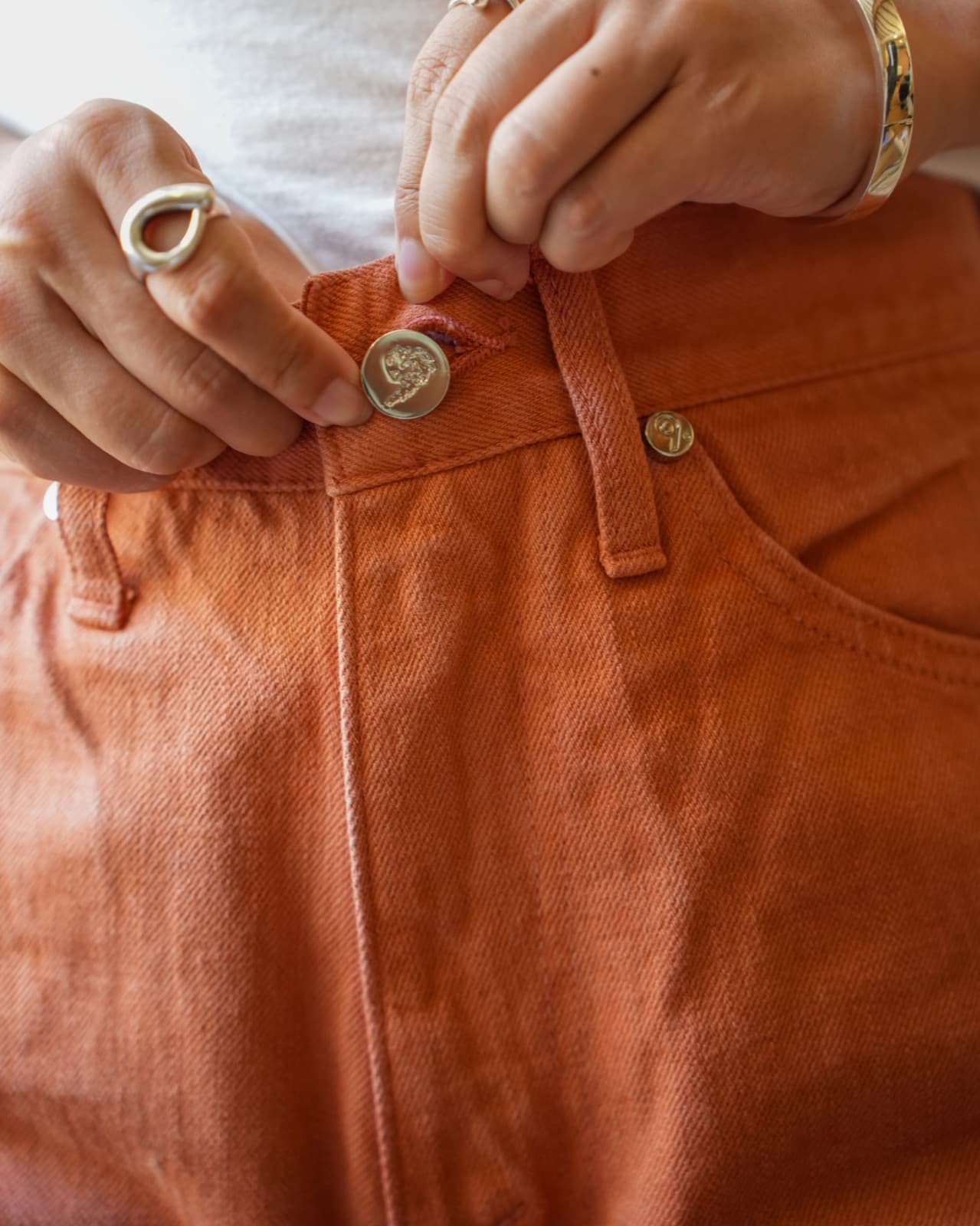
Why Japanese denim stands apart
Japanese denim is recognized worldwide for its exceptional quality, combining heritage production methods with an unusually high level of attention to detail. From fabric development to finishing, the category is defined by a slower and more deliberate approach than mass-market denim.
Much of its reputation comes from Japanese selvedge denim and raw denim, often produced on traditional shuttle looms and valued for their texture, durability, and character over time. For consumers, media, and industry professionals alike, Japanese denim continues to stand as a benchmark for craftsmanship, material integrity, and long-term design value.
How Japanese denim is made
Japanese denim is produced through a slower and more deliberate manufacturing process, where each stage — from weaving to dyeing — is treated with a high level of precision. Unlike mass-market denim, it is often developed in small batches using traditional shuttle looms, creating what is known as Japanese selvedge denim.
The fabric is typically dyed using rope-dyeing techniques, where indigo is applied in multiple layers without fully penetrating the core of the yarn. This allows raw denim to evolve over time, developing unique fading patterns based on how it is worn.
This process-driven approach reflects a broader commitment to craftsmanship, where time, material, and technique are central to the final garment. Rather than optimizing for scale, Japanese denim production prioritizes control, consistency, and long-term character in denim jeans.
Where Japanese denim comes from
Japanese denim emerged through a post-war fascination with American workwear and vintage jeans, which were studied, collected, and gradually reinterpreted by Japanese makers. What began as admiration for classic American denim evolved into a distinct manufacturing culture centered on precision, fabric development, and a deep respect for construction.
Over time, regions such as Kojima became closely associated with this craft, as mills and manufacturers focused on reviving slower production methods rather than competing on volume.
Buying it from abroad
Denim is one of the categories where the gap between wanting and owning is widest: sizing is unforgiving, shipping is heavy, and several of the houses below sell only inside Japan. Each brand here carries its own international access verdict — checked by hand, never assumed — so you know before you fall for a pair whether it can reach you at all.